
Spirulina wholesale distributor selection is the choice of an intermediary that can supply traceable whole-biomass powder or tablets on terms your business can use. Local stock and a quick quotation are attractive, yet an intermediary may know little about the factory lot or process changes. A direct factory quote can be cheaper on paper but slower or harder to manage. This guide compares the routes through quality, service, and landed cost. FDA FSVP guidance helps covered US importers identify regulatory responsibilities that do not disappear merely because a distributor sits in the chain.
Contents
- What role does the distributor actually perform?
- How should direct and distributor offers be compared?
- Can the distributor show the manufacturing lot?
- What stock and lead-time evidence matters?
- Who handles testing, documents and changes?
- How can technical support be evaluated?
- What should buyers check about storage and repacking?
- How should total cost and risk be scored?
- What contract terms protect accountability?
- How can a buyer make the final selection?
1. What role does the distributor actually perform?
Map ownership, handling and information flow
The word distributor hides several models. One company buys sealed factory bags and resells them locally. Another imports and stores goods, divides pallets, or repacks powder under a house label. A broker may never hold inventory. Each role changes lead time, traceability, packaging risk, and which records the buyer can obtain. Ask who cultivates, dries, mills, tests, packs, imports, stores, and invoices the whole spirulina. Record each legal entity and site.
If a distributor offers “our spirulina,” ask whether it has an exclusive factory grade, several interchangeable factories, or open-market stock. A buyer needs to know what may change between orders. Repacking adds a new handling step and may require separate qualification and lot mapping. The quality-agreement guide shows how to assign records and complaint duties across these entities. A distributor can add genuine value through local inventory and technical service, but only when its role is transparent enough for the buyer’s quality system.
2. How should direct and distributor offers be compared?
Put both routes on one delivered basis
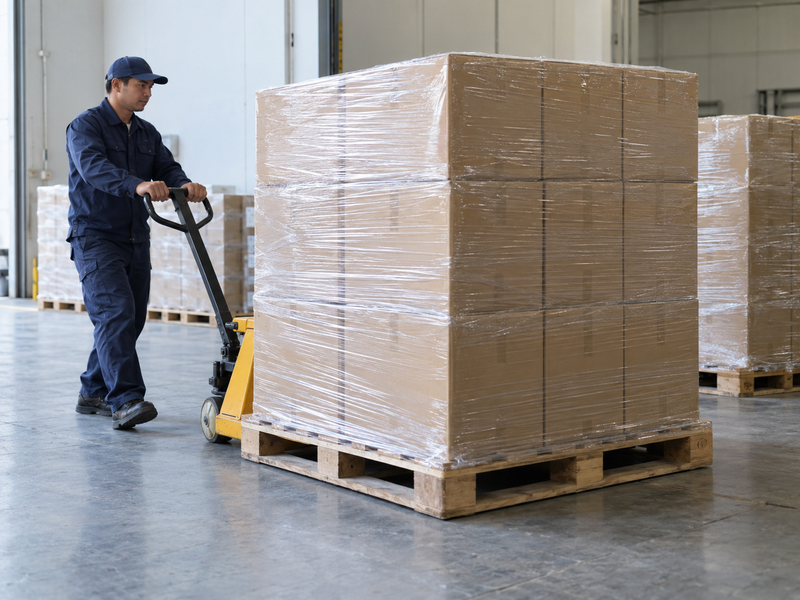
Unit price is only the opening line. Compare the same whole-biomass specification, pack size, tested lot, currency, delivery point, payment terms, minimum order, lead time, and remaining shelf life. A direct factory price may exclude freight, import processing, local storage, or small call-offs. A distributor’s higher invoice price may include local stock, sample access, smaller releases, and claims support. Calculate delivered usable kilograms, not just nominal ordered mass.
Use an RFQ sheet that asks both routes for actual quotes rather than assumed supplier economics. Include independent testing, damaged or rejected stock, handling costs, and capital tied in inventory. The landed-cost guide provides a worksheet. Decide whether you need a stable annual grade or flexible short-term lots. Direct supply may fit predictable large volume; a distributor may fit regional delivery or uncertain demand. The right answer depends on contract terms and performance, not a general claim that one channel is always cheaper.
| Comparison | Direct factory | Distributor question |
|---|---|---|
| Delivery | Import and customs path | Is local stock truly available? |
| Pack quantity | Factory case multiples | Can releases match demand? |
| Quality evidence | Factory records | Can records be obtained unchanged? |
3. Can the distributor show the manufacturing lot?
Follow the bag through every transfer
A house code must lead somewhere. Request an example trail from cultivation or production lot to drying and packed lot, inbound warehouse receipt, distributor stock code, split shipments, and your delivery. Check whether factory labels remain intact. If the distributor repacks, ask for a record of source bags, new packed units, weights, cleaning, and release. A COA copied from an unrelated factory lot is not evidence for the bag on your dock.
Test traceability with a mock inquiry. Give the distributor one proposed local stock code and ask for the upstream production lot and other downstream recipients. The response should be timely and supported by records. Protect commercial confidentiality where possible, but do not accept a chain that stops at “our supplier.” For US imports, FDA FSVP guidance explains how the foreign supplier is identified under that program. The buyer’s exact obligations depend on its role, yet lot visibility remains a sound commercial control in any market.

4. What stock and lead-time evidence matters?
Verify availability beyond a sales promise
“In stock” needs a lot and location. Ask for available quantity by grade, lot, warehouse, pack size, and end date. Check whether inventory is owned, reserved for another customer, in customs, or still being produced. Request routine replenishment lead time, local pick-and-ship time, and the history of backorders. A distributor with inventory nearby can still be unreliable if it cannot replenish the same approved grade.
Compare this with direct factory production slots and transit variability. Plan order-to-released-inventory time, including buyer QA. Use the lead-time-planning guide rather than treating delivery at the dock as ready stock. If demand varies, request scheduled releases from a reserved lot. Define who pays storage and who owns aging risk. A small local order may avoid overbuying, but repeated tiny orders can increase freight and expose production to stockouts. Ask the distributor to support a realistic supply plan with dates, not only a warehouse photograph.
| Availability claim | Evidence to request | Risk |
|---|---|---|
| Local stock | Lot-level inventory and date | Short-dated or reserved stock |
| Replenishment | Factory schedule and transit | Gap after current lot |
| Reserved volume | Written allocation | Stock sold elsewhere |
5. Who handles testing, documents and changes?
Decide whether the intermediary adds control or delay
A distributor must do more than forward PDFs. Ask which entity creates the COA, who checks it against the lot, whether the distributor performs incoming inspections, and how it qualifies its factory. Define who informs the buyer about specification, site, test-method, or packaging changes. A distributor should be able to correct a wrong document without losing the chain of approval. The buyer still needs its own verification program as required for its product and jurisdiction.
For US supplement manufacturers, FDA’s CGMP guide describes component specifications and conditions for relying on supplier COAs. For covered food importers, FSVP obligations are separate. Identify who holds each role rather than assuming a distributor carries them all. Put change-notification and complaint response times into a signed agreement. The change-notification guide lists the upstream events that should reach the buyer before changed stock ships.

6. How can technical support be evaluated?
Ask a real product question before awarding volume
A fast answer is not always a useful answer. Send a practical question about the proposed grade: protein reporting basis, moisture method, powder density, tablet breakage, or packaging barrier. Ask for lot data and a reasoned response. Record how long the distributor takes to reach knowledgeable factory or laboratory staff. If the answer is only a generic brochure, technical support may vanish when a lot fails. Request a sample COA, specification, change notice, and investigation report with confidential details removed.
Run a small pilot order and judge document accuracy, sample handling, and response to a minor discrepancy. A distributor that catches a mislabeled pack before shipment adds value. One that blames every issue on an unnamed factory may add delay. Define a named quality contact and escalation route, including urgent complaints. Technical support should help the buyer make a defensible decision, not merely accelerate a sale. Compare this service with the factory’s own responsiveness; the direct route may be better if factory engineers are accessible.
| Support test | Good evidence | Weak signal |
|---|---|---|
| Method question | Lot-specific method answer | Generic percentage |
| Complaint drill | Named owner and timeline | Sales-only reassurance |
| Change notice | Advance data package | Surprise at delivery |
7. What should buyers check about storage and repacking?
Inspect the environment behind local convenience
Local stock can age locally. Ask where sealed spirulina is held, how temperature and humidity are monitored, how pallets are protected, and how first-expiring-first-out works. Review package integrity and remaining shelf life of proposed lots. If the distributor opens or repacks material, check food-contact packs, cleanliness, lot reconciliation, foreign-material controls, labeling, and release records. A factory’s stability data may not automatically cover a distributor’s new bag.
Visit or audit the facility proportionate to risk. Request evidence of site controls and corrective actions from prior damage events. The Codex General Principles of Food Hygiene describe hygienic storage and transport principles. The warehouse-humidity guide gives product-specific checks. A distributor should tell the buyer when a bag was repacked and preserve original production identity. Otherwise local convenience may create a blind spot in traceability and shelf-life support.

8. How should total cost and risk be scored?
Make the trade-offs explicit
Use a scorecard after confirming minimum quality. Start with nonnegotiable gates: identity, applicable contaminant limits, traceability, pack integrity, and documents. Then weight delivered usable cost, lead time, stock reliability, technical support, claim resolution, and flexibility. Choose weights from your operation. A small brand with variable demand may value local call-offs more than a large manufacturer with steady container volume. Avoid giving a high price score to a route that cannot supply the same approved grade twice.
Score with evidence, not impressions. Use actual quotes, sampled lots, delivery history, mock trace results, and pilot performance. Consider concentration risk: several distributors may draw from one factory, and a factory route may depend on one port. Keep the scorecard short enough for procurement and quality to revisit quarterly. Record assumptions so a later buyer can see why a higher invoice price was accepted. The second-source guide helps decide whether an alternate route adds real resilience.
| Criterion | Evidence | Possible weight logic |
|---|---|---|
| Quality and traceability | Lot trail and pilot | Pass gate |
| Usable landed cost | Quote and loss data | Scale with volume |
| Continuity | Stock and replenishment history | Scale with shortage risk |
9. What contract terms protect accountability?
Name the party that answers when a lot fails
A sales channel needs a claim channel. The agreement should identify upstream source disclosure, approved grade and pack, lot documentation, storage and repacking authority, change notice, complaint response, retained samples, and access to factory records. Set delivery terms, title, payment, minimum releases, reserved stock, short-dated stock, and remedies in the commercial contract. Make document priority clear so a distributor cannot substitute an “equivalent” grade based on a general catalogue clause.
Ask whether the distributor can replace or credit affected stock promptly and who coordinates with the factory for root cause. If a carrier damaged goods, define evidence sharing. A local intermediary may offer attractive service, but the buyer should know who actually decides technical disposition. For imports, verify which organization is importer of record and which is FSVP importer where applicable; FDA notes those may differ. Do not infer regulatory roles from freight terms alone. The paperwork should match the physical route.

10. How can a buyer make the final selection?
Trial, score and keep an alternate path visible
Decide with a shipment, not only a pitch. Shortlist routes that pass identity and quality gates. Order a commercial pilot, inspect the actual pack and paperwork, run the intended process, and calculate usable landed cost. Compare fulfillment time and how each seller handles a discrepancy. Then award volume with a documented rationale. A hybrid arrangement may use a factory for planned large orders and a distributor for local buffer stock, provided both grades are separately approved and traceable.
Review performance after early deliveries. A strong candidate can deteriorate through stock aging, a new factory, or poorer document control. Keep service metrics and claim outcomes visible. If the distributor’s upstream source changes, treat the material as a new source until qualified. Spirulina wholesale distributor selection is a continuing supply decision, not a one-time vendor form. Ask candidates for lot-level stock, a sample COA, and a pilot quote before committing annual volume.
| Final step | Evidence | Decision output |
|---|---|---|
| Quality gate | Site, lot and test file | Eligible shortlist |
| Pilot | Delivered pack and line results | Practical fit |
| Commercial review | Usable landed cost | Award and backup plan |
Closing recommendation
Spirulina wholesale distributor selection should compare what arrives, who can explain it, and how quickly problems are solved. Map upstream factories, test lot visibility, verify stock, and price the usable kilogram. Invite both direct and distributor candidates into a documented pilot. That work gives your team a dependable supply route rather than a persuasive quote.
FAQ
Q1: Is a distributor always more expensive than a factory? Not on a usable delivered basis; compare freight, stock, release size, testing, and losses.
Q2: Must a distributor reveal its factory? Buyers need enough upstream identity and lot evidence for their quality and regulatory duties.
Q3: Does local stock guarantee fast supply? No. Confirm lot-level available quantity, reservation, shelf life, and replenishment.
Q4: Can a broker provide good technical support? Yes, if it has reliable access to factory records and qualified contacts.
Q5: Should buyers keep a direct factory option? It can add resilience when independently qualified and commercially workable.