
Spirulina wholesale change notification is the supplier’s documented notice of a change that may affect approved whole-biomass material. For example, a new drying line or liner film may leave the headline specification unchanged while altering powder flow, moisture protection, or a buyer’s risk controls. As a result, discovering that change after production starts can be costly. This guide sets practical notice tiers, evidence, and approval steps. It draws on FDA dietary supplement CGMP guidance and Codex food hygiene principles as general quality context; exact buyer duties depend on product and market.
Contents
- Which changes need supplier notice?
- How should changes be ranked by impact?
- What should a notification contain?
- How much advance time does a buyer need?
- When does cultivation or drying need requalification?
- How should test-method changes be compared?
- What packaging changes deserve a trial?
- How should urgent changes be handled?
- How are affected lots and approvals tracked?
- What belongs in the contract clause?
1. Which changes need supplier notice?
Follow effects, not just a list of equipment
Ask what can change the delivered grade. For example, growing site, cultivation water, nutrient inputs, harvest practice, drying profile, milling screen, blending, packing site, liner, test method, and laboratory can all affect whole-spirulina quality or buyer processing. Also, legal name and ownership changes may matter for traceability and certification. A supplier should notify the buyer when a change could affect an approved specification, hazard control, claim, country-of-origin statement, process fit, or supporting certificate. A purely editorial correction usually needs document control rather than a full line trial.
Next, build the list around your actual use. A powder packed into sachets may be sensitive to density and flow; a distributor may care more about bag barrier and label traceability. Also, include subcontractors. The company issuing invoices may not operate cultivation or drying, but it must obtain change information from those operations. Maintain a baseline: approved sites, process summary, methods, and pack revisions. Without that reference, neither side can say whether a new item is a change. Link it to the signed quality agreement.

2. How should changes be ranked by impact?
Use a simple, defendable tier system
Not every change needs the same queue. For example, a new production site or drying method may warrant prior written approval and new qualification data. A replacement of like-for-like calibrated equipment may need notice with an equivalence rationale. By contrast, a corrected phone number may need only an updated contact sheet. Define tiers by potential effect on identity, safety, specification, regulatory status, customer claim, and production performance. The supplier proposes a tier; buyer quality confirms it.
Also, keep the scheme small enough to use. Three categories often suffice: prior approval, advance notice with assessment, and administrative record update. However, state that an apparently minor change becomes higher tier if evidence shows unexpected impact. The buyer can request a sample or trial when a critical property may shift. A supplier should not split one major project into several “minor” notices to avoid review. The FDA supplement CGMP guide illustrates why specifications and controlled records matter for covered businesses, but it does not provide a universal spirulina change-tier list.
| Tier | Example | Buyer action |
|---|---|---|
| Prior approval | New cultivation or drying site | Qualification before shipment |
| Advance assessment | Revised milling screen | Review data and possible trial |
| Administrative | Contact correction | Update controlled record |
3. What should a notification contain?
Make the proposal reviewable without a long email chain
A useful notice answers seven questions. What changes, why, where, when, which SKUs, which lots, and what evidence supports equivalence? For example, include old and new descriptions, proposed effective date, risk assessment, affected specifications, certificates, test methods, packaging drawings, and available sample material. Also, name a supplier contact who can answer technical questions. If the change reaches material already produced or shipped, identify those lots separately and explain containment.
Next, ask for a clean comparison table rather than dozens of unrelated attachments. For example, with a new dryer, show before-and-after moisture distribution, color, microbiological trend, and relevant process performance. With a new test method, show paired results across representative lots. For a pack change, show seal and barrier evidence. A notification need not reveal proprietary settings that have no bearing on buyer approval, but it must provide enough to evaluate risk. State the buyer’s response deadline after receiving a complete package; incomplete notice should not start the clock.
4. How much advance time does a buyer need?
Work backward from real requalification steps
A calendar number alone is weak. For example, estimate time for document review, sample transit, independent testing, production line trials, customer approval, and inventory changeover. If those steps take six weeks, a two-week notice cannot protect the buyer. Then negotiate minimum advance periods by tier and require notice before producing or shipping affected lots where prior approval applies. Include time for a second sample if the first one raises questions.
However, long lead times need practical flexibility. A supplier may face an equipment failure or new safety control that cannot wait for a standard notice period. Also, define an urgent-change route with immediate disclosure, lot hold, interim risk review, and written disposition. Silence should not equal acceptance by default. If the buyer has not approved by the target date, the supplier can continue approved supply, delay changed lots, or negotiate an exception. The lead-time-planning guide helps reserve qualification time in the ordering calendar.
| Review step | Typical dependency | Planning effect |
|---|---|---|
| Data review | Complete notice package | Starts buyer clock |
| Sample and lab work | Representative lots | May extend approval |
| Line trial | Available production slot | Sets final changeover date |
5. When does cultivation or drying need requalification?
Look for changes in identity, hazards and performance
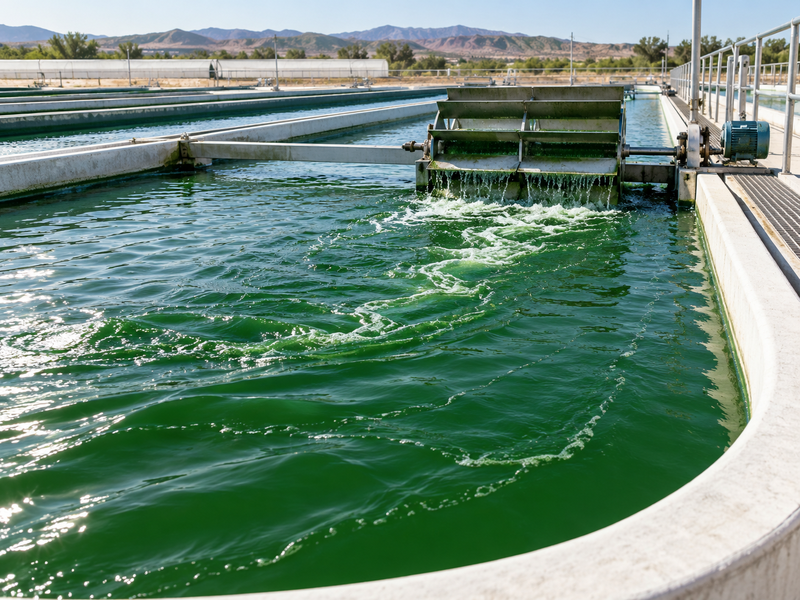
Upstream changes can travel downstream. For example, a new pond or photobioreactor site may have different water controls, environmental hazards, and traceability records. A new drying line can alter moisture, sensory profile, color, microbial outcomes, particle form, or flow. Then request site information, updated hazard analysis where relevant, representative production-lot results, and a sample that matches the proposed commercial process. A lab-only pilot may not capture full-scale behavior.
Still, requalification should be proportionate. Compare the candidate with approved lots using the buyer’s critical attributes and intended application. Also, check certifications, import documentation, and customer declarations that name a site or origin. If a finished-product label relies on a specific claim, assess it before accepting a changed source. The second-source qualification guide gives a wider approval framework; a supplier’s internal site change may need many of the same checks. Record what evidence let the buyer release the new process.
6. How should test-method changes be compared?
Prevent an artificial trend break
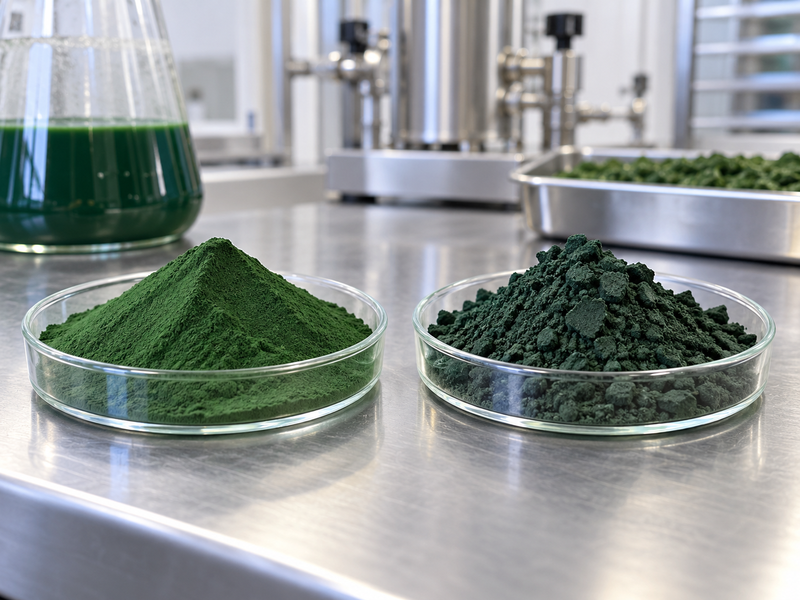
A new method can move numbers without moving powder. For example, if a supplier changes its protein assay, moisture method, microbiological method, or laboratory, ask for paired testing on representative lots. Then compare results near acceptance limits, not only easy midrange samples. Review method scope, detection or quantitation limits where relevant, laboratory competence, and reporting basis. State whether the old method remains contractual until the buyer approves the new one.
However, do not average incompatible results to create a false equivalence. If the new method systematically shifts values, quality may need revised limits supported by data; purchasing may need to confirm commercial impact. For protein, nitrogen factor and dry-versus-as-received basis must remain explicit. The protein-guarantee guide details that problem. Also, keep historical COAs with method versions so future trend analysis does not misread a laboratory switch as a sudden production improvement or failure.
| Method-change evidence | Ask for | Decision |
|---|---|---|
| Paired lots | Old and new results | Assess bias |
| Borderline samples | Results near limit | Assess acceptance risk |
| Method reference | Revision and scope | Update specification |
7. What packaging changes deserve a trial?
Test commercial seal and route conditions
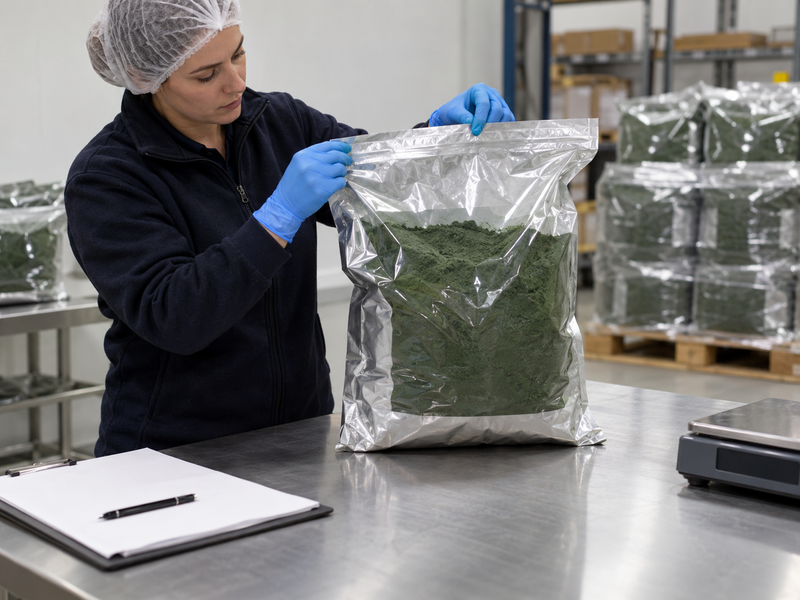
A new film is not just a procurement saving. For example, changes in liner structure, thickness, closure, heat-seal settings, carton size, pallet wrap, or net fill can affect moisture protection, breakage, and handling. Then request food-contact documentation where applicable, barrier data, seal-integrity checks, and a trial using the actual bulk pack. Compare performance through the planned route and storage period. A material certificate for flat film cannot prove every filled bag seal will hold.
For example, review caking and moisture exposure in powder. For tablets, inspect chips and fines after a pilot shipment. Also, check whether existing shelf-life evidence still applies; a new pack may need bridging or fresh stability work. The warehouse-humidity guide and tablet-breakage guide provide application-specific measures. A supplier can retain old packaging for approved orders while qualifying the new version if contracts and inventory allow. Keep pack revision on lot documents so any later complaint can identify which design traveled.
8. How should urgent changes be handled?
Protect supply without hiding a new risk
Urgent does not mean invisible. For example, a failed dryer, sudden laboratory outage, or safety-driven process correction may force action before a normal notice period. Then require immediate contact with buyer quality, a description of affected and unaffected lots, interim controls, and a proposed plan. Hold changed material from shipment or use until the buyer reaches a recorded decision, unless a specific emergency arrangement has already been agreed and is lawful.
Meanwhile, the parties can prioritize key tests and a short line trial while conducting a fuller review later. Also, record any temporary approval by lot, quantity, end date, and conditions. Customers or regulators may need notice depending on the change and market; assign that evaluation explicitly. Do not backdate approval to make a shipment look routine. If approved material remains available, keep its inventory separate from urgent-change material. This protects both continuity and traceability when the team is under pressure.
| Urgent action | Owner | Record |
|---|---|---|
| Identify affected lots | Supplier quality | Lot list and hold status |
| Assess immediate risk | Buyer quality | Interim decision |
| Plan permanent approval | Both parties | Tests and effective date |
9. How are affected lots and approvals tracked?
Connect change records with physical inventory
The effective date must reach the warehouse. For example, record change ID, old and new version, approved SKU, site, first production lot under the new process, first shipment, and buyer approval. Notify receiving so it expects new labels or pack revisions. Then separate old and new inventory in systems until the changeover is complete. If two versions appear in one shipment, quality should know before release. A notice saved only in a buyer’s email folder is not operational control.
Also, trend early lots after the change. Check whether promised equivalence holds in production and at receipt. If a flow or moisture shift emerges, reopen the assessment and contain affected stock. The supplier should retain a traceable link between the change and lot history. Meanwhile, review any related customer commitments, especially where a site, origin, organic scope, or packaging claim is named. A short change log with approval status is often more useful than a long narrative no one can search.

10. What belongs in the contract clause?
State triggers, timing and approval authority
Write a clause that survives staff turnover. For example, define notice categories and examples; require a complete notice package; name recipients; set advance periods; state prior-approval changes; and identify the rule if approval is pending. Also, include urgent notification, affected-lot identification, sample and data access, and record retention. Put commercial consequences for unapproved changes in the supply contract and technical review in the quality agreement. Keep both documents consistent.
Next, test the clause with three scenarios: a new dryer, a replacement laboratory, and a changed contact address. If all three follow the same burdensome path, refine the tiers. If any material change can slip through with no review, refine the trigger. Spirulina wholesale change notification works when a supplier can plan it early and a buyer can give a timely, evidence-based answer. In short, ask for a sample change form at onboarding, then practice the process before a real disruption.
| Clause component | Question it answers | Owner |
|---|---|---|
| Trigger list | What must be reported? | Both quality teams |
| Advance period | When must notice arrive? | Supplier |
| Approval record | May changed lots ship? | Buyer quality |
Closing recommendation
Spirulina wholesale change notification should reveal changes before they reach a buyer’s production line. Define a baseline, rank impact, request comparable evidence, and track the first affected lot. Review the notice clause with your supplier now, while there is time for a sensible trial. That conversation is far easier than investigating an unexplained shift after delivery.
FAQ
Q1: Must every supplier change get buyer approval? No. Rank changes by possible effect and reserve prior approval for significant ones.
Q2: Does an unchanged COA mean no notification is needed? No. Process or packaging changes can affect handling and future quality.
Q3: Can a supplier change laboratories without telling buyers? The agreement should define notice and method comparison for tests used in acceptance.
Q4: What if a change is urgent? Notify promptly, identify affected lots, hold where needed, and document an interim decision.
Q5: Where should the effective lot be recorded? In the change file and lot, shipment, receiving, and inventory records.