
Spirulina wholesale second source qualification means approving a backup for dried whole biomass. For example, a new quote may match on price and protein. Yet its powder may jam a filler or lack key records. However, if your main source fails, there may be no time for tests. This guide shows how to approve a backup before a shortage. It also shows how to switch lots safely. FDA FSVP guidance covers risk-based checks for US importers under that rule. Other buyers should check their own market duties.
Contents
- Why qualify a second spirulina source?
- What must match the approved product?
- How should supplier and site controls be reviewed?
- Which laboratory comparisons matter?
- How should process fit be tested?
- What documentation can block a switch?
- How should a pilot order be designed?
- What is the approval decision and scope?
- How can inventory change over without confusion?
- How should the backup remain ready?
1. Why qualify a second spirulina source?
Reduce interruption without creating a hidden new risk
A backup helps only if you can use it. For example, a crop problem may stop your main source. So can a port delay or a failed lot. However, another name on a vendor list does not solve those risks. You need a grade that fits your product and meets its safety limits. Also, you need enough stock within a useful lead time. For instance, a supplier with powder ready in another region may help during a port strike. But a supplier that uses the same plant as your main seller may face the same halt.
Next, say why you need the backup. Is it for rare emergencies or regular orders? Is the main risk a crop, a port, or a factory? Your answer shapes tests, stock plans, and review dates. Map the real growing and drying sites. Do not stop at sales company names. For example, two dealers may buy from one plant. In that case, they offer little source choice. The distributor-selection guide helps compare these routes. Then ask for a lot trail and proof that the backup can ship the approved grade. A promise of “global supply” is not enough.
2. What must match the approved product?
Build a side-by-side grade comparison
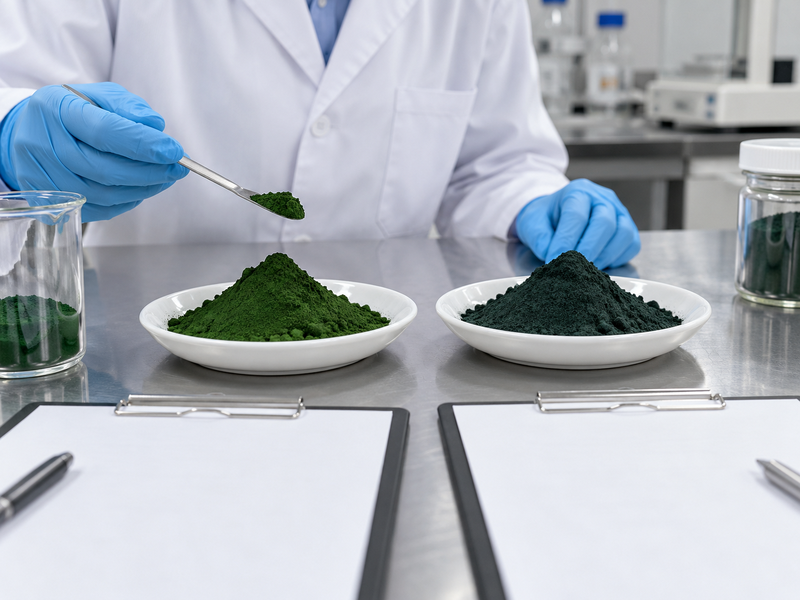
Start with identity, not color. Check that the offer is dried whole Arthrospira biomass. Then check its form and full list of added ingredients. In contrast, blue phycocyanin extract cannot replace whole green powder. Next, use your approved spec as a side-by-side list. Check water level, protein basis, particle size, bulk density, smell, taste, safety limits, pack, and shelf life. However, some items are firm gates. Others may allow a small range if your line still works. Mark each item so the team knows what can change and what cannot.
For example, a small shade change may vanish in a chocolate bar. The same change may stand out in a green tablet. Also, a new bulk density may call for a feeder reset. Still, a claim on your label may leave no room for a source change. Check origin, organic status, and customer terms before you switch. Then keep the comparison sheet with dated lot samples. A brochure can start the talk. It cannot prove that the bags you will buy match the grade you tested. Ask for a real production lot.
| Attribute | Primary grade | Candidate decision |
|---|---|---|
| Identity and form | Approved whole biomass | Must match intended use |
| Composition and hazards | Contract specification | Must meet applicable limits |
| Handling | Proven on buyer line | Trial if different |
3. How should supplier and site controls be reviewed?
Follow material through cultivation and packing
Know who made the powder. Name the growing, drying, milling, and packing sites. Also, ask who tests, stores, and exports each lot. Check water and nutrient controls at the grow site. Then review site certificates, past test results, recall plans, and lot records. Next, ask whether the seller makes its own biomass or buys another plant’s grade. However, a trader can still be a good choice. But it must show the factory lot and take clear action when a shipment fails. A logo or an audit badge cannot answer those lot questions by itself.
For US food imports, check the FDA FSVP requirements if your firm falls under them. The named importer must use a risk-based plan. Meanwhile, other markets have other rules. In each case, review the food, its hazards, seller history, and planned use. Also check whether the new site changes an origin or certified claim. As a result, a backup that cannot send lot records fast may fail you during a recall. Try a mock record request before you approve it.

4. Which laboratory comparisons matter?
Test the same questions on comparable lots
One fine sample proves little. Get normal sale lots from more than one run if you can. Then test identity and the traits that protect your product. These may include water, protein, microbes, and other hazards named in your plan. Also, use the same test method for both sources where possible. Then compare the real values, not only “pass” stamps. If protein matters to your recipe, use the same basis and nitrogen factor. For example, water and bulk density can explain why one lot runs poorly through a filler.
Still, there is no one test panel for every buyer. Instead, choose tests from your hazard review, local law, customer rules, and the seller’s record. If COAs use unlike methods, test paired lots or review whether results match. FDA’s dietary supplement CGMP guide explains component checks for firms under that rule. The protein-guarantee guide shows how method choice can shift a protein result. Also, keep the test reports and sealed samples. Then you can check a later lot against what you approved.
| Comparison | Same-method requirement | Why it matters |
|---|---|---|
| Identity | Appropriate verified method | Prevents wrong ingredient |
| Composition | Basis and method aligned | Supports formulation |
| Hazards | Market-specific limits | Supports safety review |
5. How should process fit be tested?
Try the candidate where failure would hurt
Let the line judge the grade. For example, run a pilot with a normal sale lot in its normal pack. For powder, log flow, feed rate, dose spread, rejects, and cleanup. With tablets, count chips and dust after transit and packing. Then compare the look, smell, and claimed make-up of the final product. Also, record machine settings for both sources. That makes the trial fair. For example, a small feeder reset may be fine. If so, write it into the run guide rather than hiding the change.
Use your planned recipe and route where you can. A small lab jar cannot predict a fast filler. Then decide in advance what counts as a pass and who may grant an exception. The powder-flowability guide names useful line checks. The trial-order guide helps size the order. Then count usable yield, labor, and rejects. However, a cheap backup may still slow every run. It could be worth keeping for an emergency, but state that limit in the approval file.
6. What documentation can block a switch?
Check claims, certificates and customer approvals
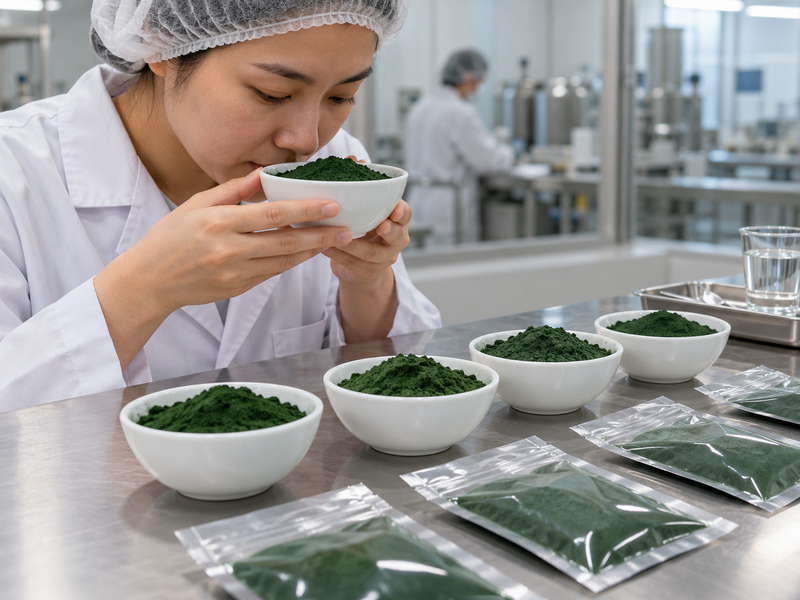
Good test results may still leave a paper gap. Check the ingredient spec, COA, origin proof, and full ingredient list. Also check organic scope if you use that claim. Also, review pack safety records, import papers, and customer supplier lists. As a result, a new source may force a label or customer review. For example, a stated origin cannot stay the same if the new growing site is elsewhere. Ask whether every dealer and repacker can link its local code back to the factory lot.
Next, list each needed document and its owner. Quality can check the tests. Label staff can check claims. Buyers can check price and freight terms. For a US import, name the FSVP importer and ask what records it needs. However, a reseller invoice does not prove who made the food. Put change, complaint, and record duties in a quality agreement. Do this while the main source still has stock. Then a missing paper will not block an urgent switch.
| Document | Buyer check | Potential blocker |
|---|---|---|
| Product specification | Same intended grade | Undeclared blend or extract |
| Certification | Scope and site | Claim cannot transfer |
| Lot trail | Factory through shipment | Source identity unclear |
7. How should a pilot order be designed?
Buy enough to test the commercial route
Pay for a real trial. Order enough for receipt checks, lab tests, a line run, and kept samples. Use the normal pack and route. In contrast, a cushioned sample pouch tells you little about a full pallet. Set pass rules and data owners before the order. Also, ask for the same lot papers that future shipments will carry. However, a polished one-off sample file has little value if routine paperwork differs. The goal is to test the route you will actually buy.
Run the pilot while your main source is sound. Then a weak result leaves time for a new lot or line test. Next, compare yield, run time, taste, look, and landed cost. Mark traits that a machine reset can fix. Mark safety and identity gates that cannot shift. If you plan regular backup use, check more than one lot for repeat results. For example, one good pallet may support a small trial order with close checks. It does not have to grant open-ended annual approval.

8. What is the approval decision and scope?
State exactly what has been qualified
Approval needs clear bounds. Record the seller, grow site, pack site, SKU, form, pack, market, and planned use. Also, name the spec version and any order cap. For example, a grade that works in a green drink mix may show an unwanted color shift in a tablet. Also, list any machine reset or customer limit. Then quality should sign off on the grade. Buyers can then confirm price, lead time, and available stock. Keep both decisions in one file.
Choose a clear status: trial, approved, or rejected. For example, a trial status may call for extra tests or a small order cap. State when those rules end. Then tell warehouse, line staff, and planners what was approved. If a customer must approve a source switch, get that sign-off before use. However, a plain vendor tick box does not say which grade, site, or pack passed. Keep the lot test and line report beside the decision so staff can check its scope later.
| Approval field | Record | Prevents |
|---|---|---|
| Site and SKU | Exact source grade | Wrong-grade substitution |
| Approved use | Product and market | Unsupported claims |
| Conditions | Tests and trial settings | Uncontrolled scale-up |
9. How can inventory change over without confusion?
Keep sources and lots visible in every system
Keep the two sources apart. Give each an item or source code where needed. Also, keep each factory lot visible. If you plan to mix them, check lot tracking, product quality, and labels first. Then write a line changeover plan. Record which supplier lots went into each final batch. Keep a sealed sample from each source. As a result, these steps make a later complaint much easier to trace. They also stop a warehouse pick from turning a trial grade into normal stock by mistake.
Brief line staff on color, dust, density, or feed changes. Give backup stock its own receipt and release status. Meanwhile, buyers should tell planners when the main source comes back. As a result, that can prevent old backup stock from piling up. Check the remaining-shelf-life guide before buying extra emergency pallets. Still, a backup works only if staff can pick the right lot. Test the changeover steps during a busy shift, not just in a meeting room.

10. How should the backup remain ready?
Monitor capacity, quality and relationship
Approval can grow stale. Check the site, spec, certificates, stock, lead time, and recent lot data on a set cycle. Ask the seller to report changes under the signed terms. For example, small periodic orders may keep the route active. Yet those orders cost money, so weigh them against your risk. However, if no stock has shipped for months, review the records again. Also, repeat tests or a line run when a site, grade, or pack has changed. Keep a named owner for this review.
Then run a shortage drill. Could you place an order today? Would the lot have enough life left? Could it arrive and pass QA before stock runs out? Compare that lead time with your reorder point. Next, ask whether the supplier has room for your new demand. However, two approved names offer little help if both rely on one plant or port. Keep technical approval and real stock plans in step. Then review both each time demand or the supply route changes.
| Readiness check | Evidence | Review trigger |
|---|---|---|
| Supplier status | Current site and quality file | Planned review |
| Capacity | Confirmed lead time and quantity | Demand increase |
| Process fit | Recent lot or trial data | Material change |
Closing recommendation
Spirulina wholesale second source qualification should finish before your primary route is in trouble. Compare identity, hazards, paperwork, process performance, and real capacity. Ask a candidate for commercial-lot samples and design a paid pilot now. A documented backup gives the team options when a shipment is delayed or held.
FAQ
Q1: Can a distributor count as a second source? Yes, if its upstream manufacturing source and records are clear; two distributors using one factory offer limited diversity.
Q2: Is a matching COA enough? No. Site controls, methods, packaging, line fit, and market documents also need review.
Q3: Should buyers blend primary and backup powder? Only after assessing traceability, quality, process, and labeling effects.
Q4: How many lots should a pilot include? Use enough representative lots to assess variation for the intended approval scope and risk.
Q5: When should a backup be requalified? Review after material changes, prolonged inactivity, or a scheduled risk-based cycle.