
Spirulina capsule fill weight uniformity is easy to overstate when a supplier reports only an average. Individual capsules can drift as a hopper empties, powder settles or shells vary. Build a control plan around a measured net fill, a qualified powder lot and samples throughout a representative run. US supplement manufacturers must establish specifications and keep batch records under 21 CFR Part 111; those rules provide a framework, while actual limits need product-specific justification.
Contents: 1 · 2 · 3 · 4 · 5 · 6 · 7 · 8 · 9 · 10
1. What does capsule fill weight mean?
Separate shell mass from ingredient mass
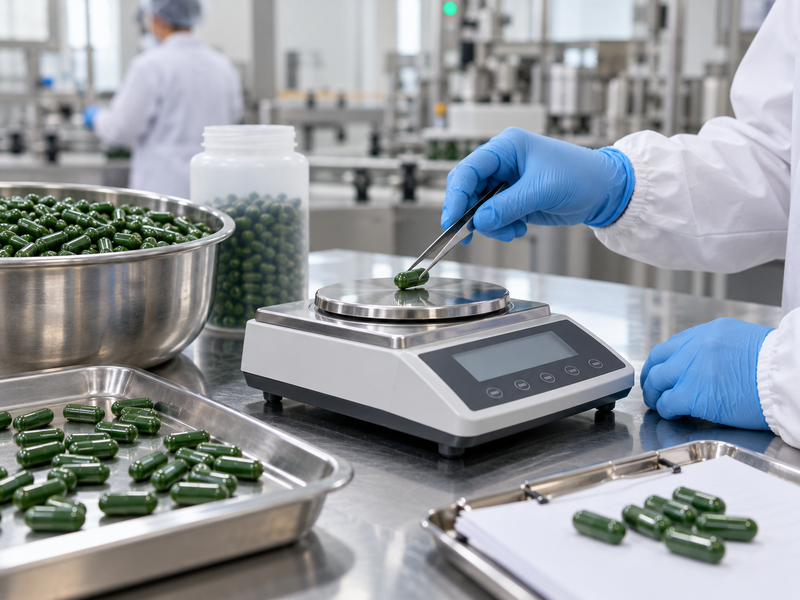
Gross capsule mass includes the shell; net fill mass does not. Specify which value appears on production charts and supplier reports. Shells from different materials or batches can vary, so a gross-weight check alone may conceal a fill change. During setup, weigh a representative set of empty shells, filled units and emptied shells using a documented method. Preserve individual results rather than only a mean. If the fill contains a flow aid or filler, net fill still differs from spirulina content.
Create three related targets: capsule gross mass for rapid line checks, net fill mass for process control and declared spirulina per serving for labeling. Reconcile them with the quantitative formula. A claim such as “500 mg capsule” can mean unit fill, total unit mass or ingredient content unless the specification defines it. FDA’s dietary supplement labeling guide explains US serving and declaration rules. The starting point: make every mass basis explicit before setting tolerances.
2. Why does the same powder fill differently?
Characterize density and flow for each lot
Capsule machines meter volume or tamp powder into a measured space; the final mass depends on how powder occupies it. Bulk density, tapped density, particle size and cohesiveness can change after milling, transport or storage. A lot with lower density may not reach the requested dose in the selected capsule. A cohesive lot can bridge or leave irregular plugs. Record measurement method, conditioning and sample history when comparing suppliers. USP’s bulk and tapped density information helps explain why a number without its method is weak evidence.
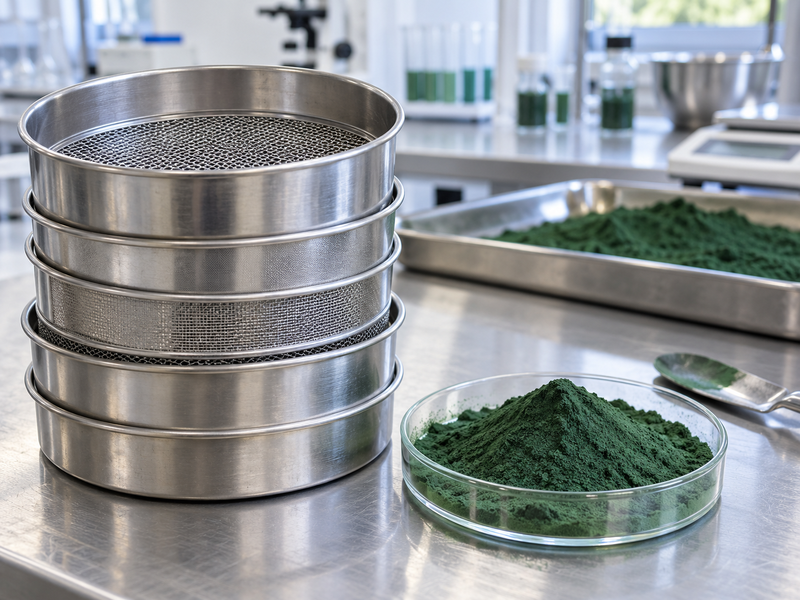
Ask for samples from commercial lots, not only a development sachet. Screen visually for lumps and test flow on the proposed equipment. If a supplier changes drying or mesh size, run a small fill trial before approving the lot. Do not assume a certificate of analysis covering protein and contaminants predicts hopper behavior. The practical link: powder specifications should include properties shown to influence filling on your actual line.
| Powder measure | Possible fill effect | Record alongside it |
|---|---|---|
| Bulk density | Dose per volume | Method and lot |
| Particle distribution | Flow and plug formation | Sieve or laser method |
| Moisture | Cohesion and clumping | Storage conditions |
| Visual lumps | Feed interruption | Screening result |
3. How should capsule size be selected?
Fit dose and handling together
Capsule size is a volume choice, not a promise of a fixed spirulina mass. Estimate capacity from measured powder density and then confirm it on the production filler. Leave room for normal process variation. A size that reaches the nominal target only under extreme tamping may create damaged shells or inconsistent closure. If the requested ingredient dose exceeds practical capacity, compare a larger shell, more capsules per serving or a different format before buying printed packs.
Prepare samples with the final shell type, including material and color. Ask intended users whether the required daily count and size are acceptable. Record the manufacturer’s setup limits and inspection criteria. If marketing later changes a two-capsule serving to one, recheck label declarations and whether one unit can physically carry the stated amount. A dietary supplement serving size must match label directions in the US (FDA guide). Useful decision: approve size only after dose, line run and user handling agree.
4. Which blend changes deserve control?
Track aids, sequence and segregation
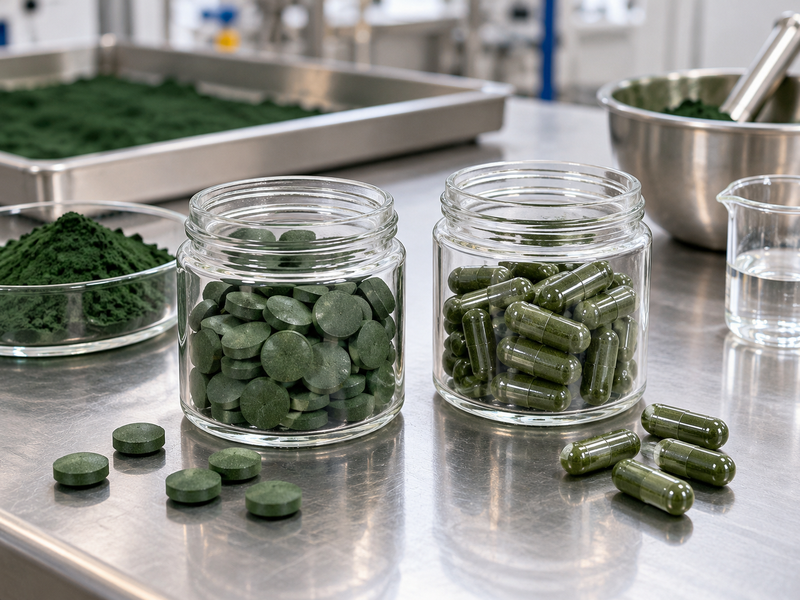
A flow aid or filler may improve machine feed, but it changes the ingredient fraction of every capsule. Specify grade, proportion and mixing order, then verify blend uniformity by a suitable approach. Too much handling can also segregate a blend if particle sizes or densities differ. Sample at the blender, transfer container and filling hopper where the process warrants it. A laboratory scoop taken from the top does not represent a full batch.
Document changes that appear minor: a different lubricant supplier, a revised sieve, longer mixing or a new bin liner. Each could affect flow and fill. During trials, compare individual-unit weights across time and record any bridging, dust or sticking. If a change improves mass consistency but worsens ingredient uniformity, it is not a clean win. US 21 CFR 111.70 addresses specifications for components and manufacturing stages. The control principle: qualify the blend as a process material, not just a list of ingredients.
| Change | Weight risk | Follow-up |
|---|---|---|
| New flow aid | Different feed | Fill and formula review |
| Longer blending | Segregation or overmixing | Blend samples |
| Different sieve | Density shift | Repeat machine trial |
| New shell lot | Gross-weight shift | Shell tare check |
5. How do machine settings drive variation?
Develop a stable operating window
Record dosing-disk, tamping, auger or other equipment settings according to the filler design. Speed, hopper level and powder replenishment can change the amount delivered. Run a controlled setup that includes low and high practical speeds instead of adjusting until a short sample looks acceptable. Inspect for half-filled units, split shells, powder on seams and rejected capsules. Compare those defects with weight readings so a mass improvement does not hide a closure problem.
Keep the same powder lot during the settings study. When choosing a range, test startup, steady running and restart after a planned stop. A hopper can compact over time, while a transfer may aerate fresh powder. Both conditions can move fill mass. Record room humidity where it affects shell or powder behavior. The useful output: a settings window with demonstrated limits and response instructions, not a single machine number copied into a work order.
6. Where should samples be taken during a run?
Sample time and location, then retain identity
Take individual capsules at defined intervals, including startup, after refills, following stops and at end of run. Where multiple filling stations or lanes exist, sample across them. Set sample size and acceptance rules before production. Record individual weights and calculate spread or control charts; a passing mean can coexist with unacceptable units. A trend approaching an action limit deserves investigation before final release fails.
Mark each sample with time, machine, lane where relevant, ingredient lot and operator. If a check falls outside limit, quarantine material produced since the last passing check until quality personnel decide its disposition. Do not simply adjust the filler and discard an inconvenient number. FDA’s batch-record rule requires actual monitoring results and quality decisions for US supplements. What makes a trend useful: every plotted point must connect to a defined portion of product.
| Run stage | Sampling purpose | Action on drift |
|---|---|---|
| Startup | Confirm setup | Hold early units |
| Refill | Detect density change | Check feed and recent units |
| Restart | Detect settling | Verify before routine flow |
| End | Confirm lot close | Reconcile yield |
7. Is mass enough to prove ingredient uniformity?
Link weight control with composition
Consistent net fill supports dosing only when the blend itself remains uniform and the formula fraction is known. If spirulina and a filler segregate, equal-weight capsules can contain different amounts of spirulina. Select a suitable analytical marker or blend-control strategy with quality staff. Sampling should reflect different run stages and likely segregation points. A declared amount per serving should rely on evidence from the finished product and the approved process, not an arithmetic assumption alone.
Be cautious with protein as a proxy. A nitrogen-based protein result may vary with calculation basis and cannot necessarily distinguish spirulina from another protein-bearing component. Ingredient identity and quantity need methods fit for the particular formula. Ask the laboratory to specify reporting basis, method performance and sampling plan. If all capsules contain only the same spirulina powder, mass may be a closer proxy, but shell and process losses still matter. The key distinction: uniform mass and uniform composition are related questions with different evidence.

8. Which shell and packaging defects matter?
Check the unit after filling and storage
Inspect cap-body engagement, splits, dents, surface powder and leakage. Weighing cannot reveal a capsule that opens during counting or shipment. Some shell materials respond differently to moisture, so pack choice must be tested with the selected shell and powder. Request supplier specifications and intended storage conditions, then run finished-pack studies in the commercial bottle or blister. Document pack count, desiccant and closure details for every stability sample.
Check empty shells before filling as well. Shell variation can move gross weight and may affect machine separation or joining. If a filling line changes shell material, repeat setup and stability checks. Avoid stating that one shell type guarantees a dietary, allergen or moisture claim without current composition and regulatory review. FDA notes that food-contact material status depends on its actual authorized use conditions. A complete release view: the capsule must remain intact and correctly labeled through distribution.
| Defect | Likely checkpoint | Why it matters |
|---|---|---|
| Unclosed seam | Filler exit | Leakage and count loss |
| Split shell | Filler and pack | Unit integrity |
| Surface powder | Inspection | Clean pack and count accuracy |
| Moisture change | Stability | Shell and powder behavior |
9. How should specifications be set?
Define limits from process capability and use
Write a target net fill, individual-unit range, sampling plan, action limits, visual criteria and finished-product tests. Agree on how empty shell tare is determined. Explain whether the specification applies to the average, individual units or both. Set alert limits tighter than rejection limits when trend data supports that approach. Review instrument calibration, balance resolution and analyst method so a very narrow limit is not dominated by measurement noise.
Use pilot and early commercial data to confirm that limits are achievable without accepting weak control. A contract manufacturer may offer a standard weight-variation rule, but your brand should check its legal relevance and suitability for the actual formula. Include a response for out-of-limit units and documentation requirements. A separate specification should cover ingredient identity and contaminant risk. The buyer’s question: can the manufacturer show the individual weights and the decision trail behind each released lot?

10. What should procurement request from a capsule maker?
Ask for evidence that transfers between lots
Request the approved formula, powder specifications, shell specification, equipment route, setup ranges, in-process data, rejection rate, finished-unit tests and stability plan. Ask how a new spirulina lot is checked against the qualified powder range. Include a change-notification agreement for drying, milling, shells, aids and packaging. A pilot report should identify the actual ingredient lot and machine rather than presenting anonymous images of full capsules.
Compare suppliers using a fixed target dose and identical label assumptions. A higher quoted fill that relies on aggressive tamping may not be stable at commercial speed. A lower unit price may exclude extra inspection or tests. Link price to a released serving, not simply a thousand empty shells or a nominal machine capacity. Next procurement move: run one monitored pilot and review the full distribution of net fill before placing a bulk order.
| Request | Evidence value | Owner |
|---|---|---|
| Lot-linked powder data | Predicts filling | Supplier and quality |
| Individual weight results | Shows spread | Manufacturer |
| Shell specification | Explains tare and integrity | Procurement |
| Change-control terms | Protects repeat orders | Brand and manufacturer |
FAQ
Q1: Does capsule size specify fill weight? No. Actual capacity depends on powder density and filling process.
Q2: Can gross weight replace net fill? Not by itself. Shell mass contributes to gross weight and may vary.
Q3: Why sample after hopper refill? Powder aeration or settling can change delivered mass.
Q4: Does uniform weight prove uniform spirulina content? Only when composition and blend behavior support that inference.
Q5: Should a manufacturer keep individual readings? Yes; averages alone hide variation and weaken investigation.
Next step
Treat spirulina capsule fill weight as a lot-linked process outcome. Define each mass basis, qualify powder and shell behavior, then monitor individual units throughout production. Ask for pilot data with timestamps, settings and disposition of failures. That evidence makes a labeled serving credible and gives procurement a meaningful basis for repeat orders.