
phycocyanin HPP beverage stability describes whether a blue beverage retains an acceptable appearance after high-pressure processing and throughout its intended shelf life. A cold-pressed drink can look excellent before processing yet fade, haze or settle after pressure and storage. This guide sets up matched untreated and HPP trials with practical sampling points and clear decision rules. Peer-reviewed pressure studies reveal why results vary with pH and formula; FDA’s juice guidance makes clear that color retention cannot substitute for a validated microbial process.
Contents
- What question should the HPP trial answer?
- What must be fixed before comparing samples?
- How should pressure and hold be recorded?
- Why does pH change the response?
- Which color measurements belong in the plan?
- How do packaging and storage affect results?
- What belongs in microbial validation?
- How should a co-packer run the pilot?
- Which supplier evidence is worth requesting?
- When is an HPP blue drink ready to approve?
1. What question should the HPP trial answer?
Separate immediate color from shelf-life color
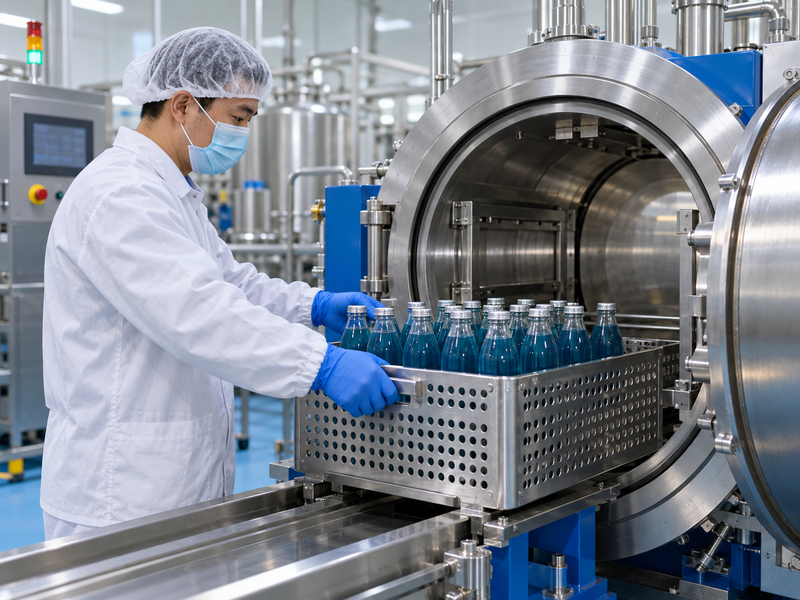
High-pressure processing, or HPP, subjects a packaged beverage to a defined pressure and hold. The useful question is not whether pressure is “gentle.” It is whether the actual drink keeps its approved blue after the proposed cycle and distribution period. Set a target shade, maximum acceptable color change, visible-haze limit and sediment rule before running samples. Include flavor and package appearance if these drive product acceptance. A process may leave initial color intact yet change protein structure in a way that affects later light stability.
Start with a control: fill the same formula into the same package, then set aside an untreated set under controlled conditions. Compare that set with HPP-treated packages from the same batch. The SpirulinaCN blue ingredient overview can help identify candidate formats, but no catalog description predicts performance in this drink. Do not use a water-only pigment solution as the sole control when fruit solids, proteins or acid are present. The finished matrix is the test object.
Label the trial’s primary decision in one sentence before samples enter storage. That prevents a later debate over whether fresh shade or end-of-life appearance was the intended pass criterion.
2. What must be fixed before comparing samples?
Build one traceable batch
Use a single master beverage batch for each trial round. Record phycocyanin source, supplier lot, dose, color-value method, other ingredients, water quality, mixing sequence and time since manufacture. Fill equivalent packages with matched headspace and closure conditions. If candidate colors need different doses, match their day-zero finished shade rather than forcing equal mass. Make enough units for destructive measurements at each planned date and an independent reserve. Randomize assignment to treatment and shelf positions.
A small discipline pays off: sample before HPP, directly after HPP and after refrigerated storage. Measure pH, soluble solids and dissolved oxygen where relevant. Record the uncolored base too; some juices brown independently and make a blue pigment look greener. If the formula changes after one trial, assign a new version identifier and repeat key controls. Mixing results from different batches creates false confidence, especially when natural fruit color and acidity vary by lot.
Use enough bottles for duplicate measurements and an investigation sample at each checkpoint. If a bottle leaks during HPP, set it aside and record the defect rather than folding its color into an average. A modest but well-labeled sample set gives more trustworthy information than many bottles whose treatment history cannot be reconstructed.
| Fixed variable | Record | Why it matters |
|---|---|---|
| Ingredient dose | Lot and mass per unit | Makes shade repeatable |
| Beverage matrix | pH, solids and base lot | Isolates formulation effects |
| Package | Material, size and headspace | Controls light and oxygen exposure |
3. How should pressure and hold be recorded?
Capture the delivered cycle
A nominal pressure printed on a co-packer quote does not describe every unit’s exposure. Record set pressure, actual pressure profile, hold time, come-up time, water temperature, product temperature where feasible, load pattern and package position. Note whether a machine processed one or multiple cycles and whether a partially loaded vessel was used. Compare only cycles that the co-packer can reproduce at production scale. Pressure may alter phycocyanin conformation or aggregation even without conventional heating.
Watch this detail: a published beverage pigment HPP study observed different outcomes across pH and protein-complex formulations. Some tested samples lost blue intensity during treatment while selected complexes improved later light stability. That is a research result, not a universal claim for a commercial beverage. Trial the actual product across the proposed process window, especially its longest likely hold and warmest realistic input condition. Record any package deformation or seal issues alongside color.
4. Why does pH change the response?
Test the recipe’s operating band
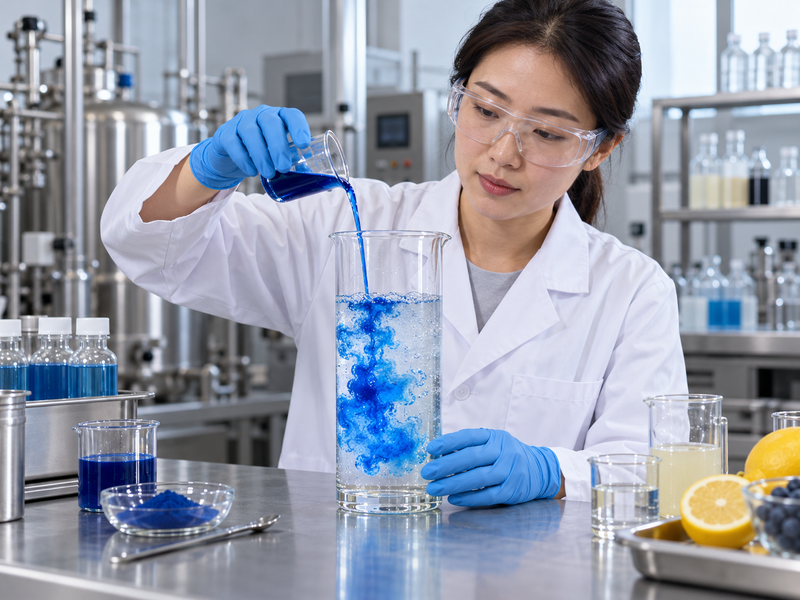
Phycocyanin is a protein-bound pigment, so acidity can change its structure and interactions. A pressure response measured in neutral water may not hold in an acidic juice or dairy blend. The cited HPP study found its pH 3 samples retained color during treatment better than its pH 5 and 7 samples under the reported conditions. Another HPP extract-solution experiment reported pressure-related structural and color changes and examined pH adjustment.
Neither result defines a safe or stable pH threshold for every purchased grade.
The practical test: bracket the proposed finished pH using the normal manufacturing tolerance, not a convenient laboratory value. At each pH, compare untreated and treated bottles from the same base. Check for immediate fading, haze after chilling and delayed sediment. If a stabilizer or acid blend is changed, document its label and sensory effects. A color that passes at one pH but fails at the top of the production band may require a tighter specification or another candidate.
| pH trial | Compare | Decision use |
|---|---|---|
| Low end | Before and after HPP | Identify acid interaction |
| Nominal | Full storage series | Establish target performance |
| High end | Before and after HPP | Check production drift |
5. Which color measurements belong in the plan?
Combine instruments with human observation
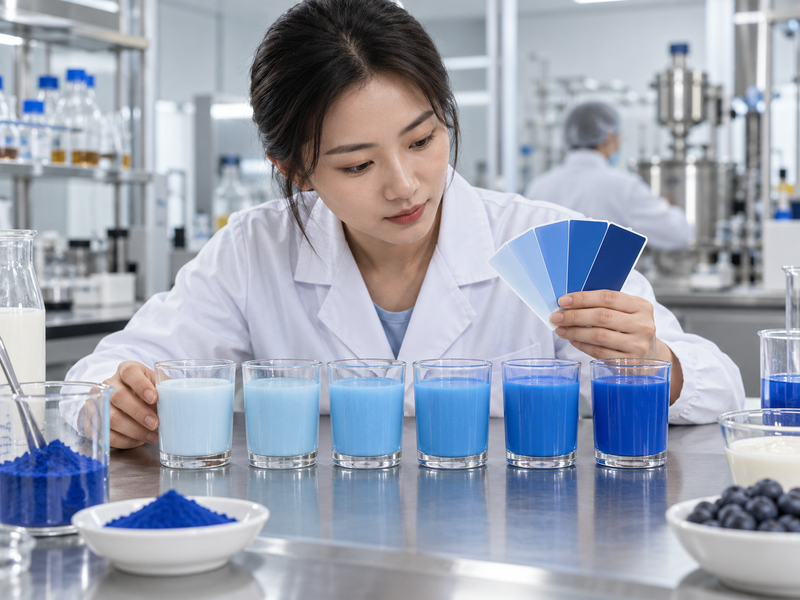
Use a consistent colorimeter or spectrophotometer setup and report L, a, b* or another preselected method. Record instrument geometry, sample temperature, path length and whether a bottle or poured sample was measured. In a clear drink, absorbance at an appropriate wavelength can track pigment behavior, but juice turbidity and other colors can interfere. For a cloudy drink, photographs under fixed lighting and a blinded visual panel help explain what customers will see. Measure both total appearance and obvious particulate.
Look for the gap: a stable blue reading may hide a ring at the liquid surface; a bright photograph may conceal measurable hue drift. Score color intensity, hue, clarity, sediment and package staining separately. Measure before process, immediately after pressure, after equilibration and at planned storage intervals. Keep an untreated time-matched control on the same schedule. Predefine the acceptable difference from the approved reference and identify which endpoint governs release. An end-of-life shade has more commercial value than a vivid bottle photographed on fill day.
6. How do packaging and storage affect results?
Include distribution conditions early
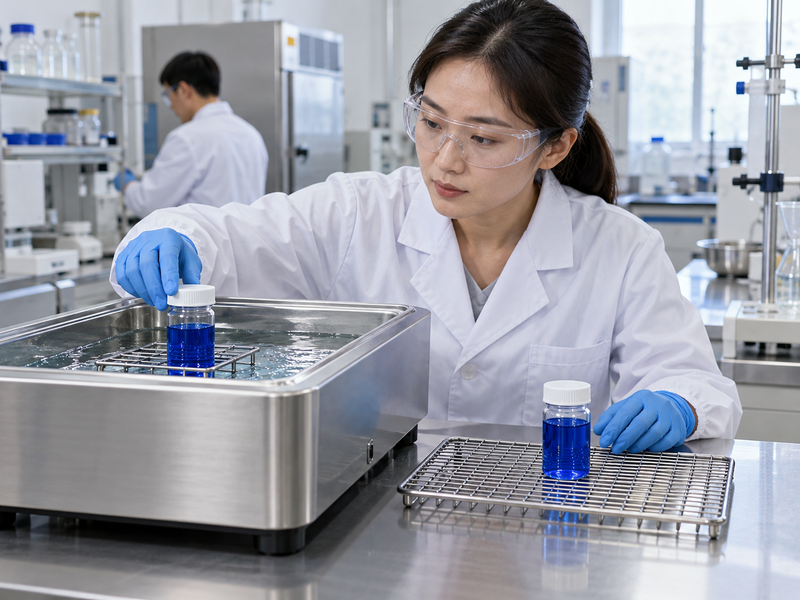
HPP runs on a packaged product, so the pack must tolerate pressure and protect the color afterward. Flexible or semi-rigid packages, closure seals, labels and headspace require evaluation in the actual co-packer equipment. Compare dark storage with a documented retail-light condition. Hold samples at the intended refrigerated temperature and a justified short abuse condition chosen by quality staff. Track package leakage, oxygen exposure, visible color, haze and flavor at every scheduled date.
Here is the trap: a pressure trial that ends after one day says little about a six-week chilled life. Some research suggests HPP can alter later light response even when initial color looks acceptable. Product life also depends on microbial hazards, spoilage and package integrity. Do not infer a shelf-life extension from pigment measurements. If the brand changes bottle material, label coverage or light exposure, repeat the comparison because the original color result belongs to the tested pack.
| Storage arm | Primary question | Record |
|---|---|---|
| Refrigerated dark | Baseline color retention | Color and sediment |
| Refrigerated display light | Retail appearance | Light schedule and shade |
| Defined abuse condition | Distribution margin | Temperature history and defects |
7. What belongs in microbial validation?
Keep safety evidence independent
HPP can be used within a microbial-control process, but a blue pigment trial cannot show that relevant pathogens are controlled. For juice products, FDA describes a validated process that achieves the required reduction of the pertinent microorganism for the applicable shelf life. Its Juice HACCP regulator guidance explains validation and records. Product category, pH, formulation, package, target organism and process conditions determine what the brand and process authority need to establish.
Do not borrow a validation: FDA has specifically warned that an HPP study for one juice does not automatically cover juices with different compositions. Agree on a hazard analysis and validation plan with a qualified process authority before launch. The color trial can share production lots and time points with the safety program, but each result answers a separate question. Record hold, pressure and temperature in both records, then confirm the validated process still produces acceptable blue. A beautiful unsafe beverage remains an unacceptable product.
8. How should a co-packer run the pilot?
Write the trial brief before booking time
Send the co-packer a concise brief with ingredient lot, formula version, addition sequence, target fill, package, pressure window, hold, load pattern and sample plan. Confirm that the machine can process the chosen container and that the intended commercial line can repeat the bench sequence. Assign coded labels to treated and untreated bottles. Sample units from multiple positions in a load, not one convenient corner. Capture deviations and disposition them before using results for a purchase decision.
Ask one more question: what happens to product temperature during staging before and after HPP? A cold beverage can spend meaningful time waiting in a warm room. Record these dwell periods and transport conditions because they affect color and microbiology. Include a line-scale check of pigment dispersion and dosing consistency before fill. If a pilot uses a different container or cycle from commercial production, identify the gaps and plan bridging work. A co-packer’s standard cycle is an operating proposal, not automatic validation for your formula.
Before shipping trial product home, agree who owns the retained controls and how they will travel. A chilled sample that spends hours unrefrigerated during courier transit should not become the sole basis for a shelf-life judgment. Put temperature monitors in representative shipments and note any excursion beside the corresponding color reading. This makes the co-packer’s pilot useful to both the brand and the process authority.
| Pilot handoff | Owner | Evidence returned |
|---|---|---|
| Formula and color dose | Brand R&D | Versioned batch sheet |
| HPP cycle | Co-packer | Actual pressure and time log |
| Safety review | Process authority | Product-specific validation plan |
9. Which supplier evidence is worth requesting?
Match the sample to the sold grade
Request a current specification and certificate of analysis for the precise phycocyanin lot. Identify source organism, color value and method, full carrier composition, moisture or liquid solids, microbial criteria, contaminant controls, storage and shelf life. Ask whether a stabilizing system was present in the supplied sample. A laboratory paper on purified pigment may use a different ingredient from the one quoted for production. Re-run the pilot if a supplier changes carrier or pigment source.
Make it repeatable: retain an approved lot sample and require notice of material changes. Compare a future lot at the same dose in the same beverage control before release. The supplier factory and quality page offers a route for asking about documentation, but the accepted evidence must belong to the exact commercial SKU. Request enough sample for the full pressure and storage design, not only a day-zero taste panel.
Supplier advice can guide the trial; your finished-product data decide the outcome.
10. When is an HPP blue drink ready to approve?
Close three separate gates
Approve the color only when a traceable commercial grade meets the planned shade, clarity and sensory limits after the actual HPP cycle and storage in the intended package. The process needs product-specific safety validation and routine controls accepted by responsible quality and process experts. Supply is ready only when specifications, lot testing and change control can sustain repeat production. A good result in one gate cannot compensate for a failure in another.
Ready for scale? review coded end-of-life samples, actual process records and the proposed release specification together. Document why the chosen pressure window and color dose were selected. Include a requalification trigger for formula, pH range, color grade, package or co-packer changes. Ask SpirulinaCN for a traceable sample with your pH, pack and HPP cycle so their technical response addresses the actual trial. If no candidate survives all gates, revise the concept or process before a launch commitment.
| Gate | Required evidence | Common gap |
|---|---|---|
| Color | Packaged shelf-life data | Only fresh samples |
| Safety | Product-specific validation | Borrowed HPP cycle |
| Supply | Lot-linked specification | Untraceable sample |
Conclusion
HPP may change phycocyanin color immediately or during later storage, and published results vary with pH and formulation. Test a matched untreated control, the intended pressure cycle and the final refrigerated package. Keep microbial validation as its own documented decision. A disciplined pilot protects launch timing and shelf appearance; send suppliers your real process details and require evidence tied to the grade you will actually buy.
FAQ
Q1: Does HPP always preserve phycocyanin blue? No. Research reports different color responses with pH and formulation; test the finished drink.
Q2: Can a standard co-packer cycle validate every juice? No. A qualified process authority must address the relevant product and hazards.
Q3: Should untreated samples be stored too? Yes. Time-matched controls help separate pressure effects from normal storage changes.
Q4: Is a clear water trial enough? No. Fruit solids, proteins, acid and package exposure can change the result.
Q5: Which result should purchasing use? Use acceptable color and safety evidence through the planned shelf life, linked to the commercial ingredient lot.