
Chlorella powder vitamin K label verification begins with a modest question: does the exact raw-material lot contain a measured amount that affects the finished product? A broad claim that green algae contain vitamin K cannot support a label figure for a specific chlorella powder. The buyer needs analyte-specific testing, a traceable sample and the serving-level calculation for the completed formula.
The FDA’s Daily Value guidance lists vitamin K in U.S. labeling context. It does not supply the vitamin K content of your ingredient. Request the offered chlorella grade and its lot evidence, then have label specialists evaluate the destination market.
1. What exactly does the supplier mean by vitamin K?
Ask whether the report identifies phylloquinone, also called vitamin K1, or another form. A generic “vitamin K present” statement is insufficient for a quantitative nutrition calculation. Confirm that the assay covered the dried chlorella powder rather than a different strain, extract or finished supplement. Keep the original lab report with product identity and lot code attached.
2. Which documents should the buyer request?
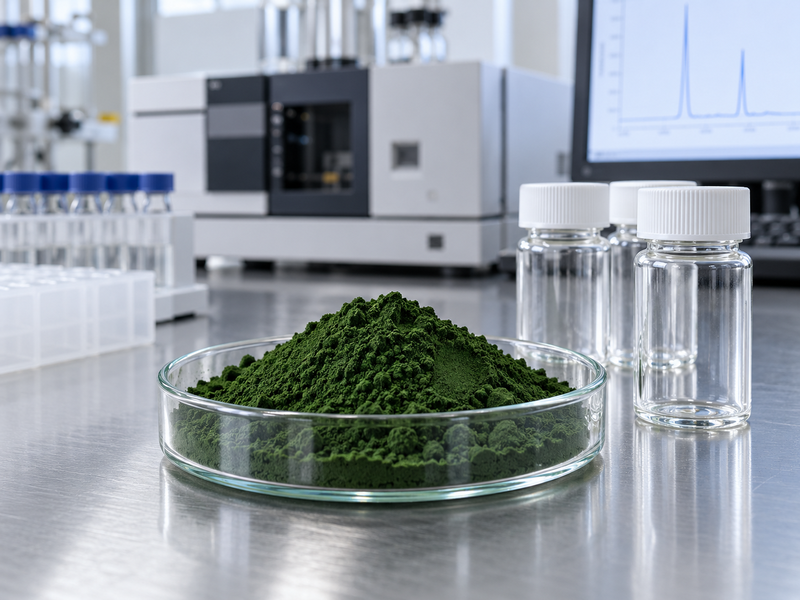
Obtain the specification, named-lot COA, detailed vitamin K method report and a representative sealed sample. Ask for analytical units, method, measurement uncertainty, sampling date, moisture basis and any reported limit of quantification. If vitamin K is absent from the regular COA, arrange a targeted test before treating it as a guaranteed attribute. Keep marketing copy pending until the final formula and label are reviewed.
| Document | Required detail | Decision |
|---|---|---|
| Lot COA | Product and lot identity | Is the shipment linked? |
| Vitamin K assay | Form, units and method | Is the value usable? |
| Formula sheet | Chlorella grams per serving | What reaches the consumer? |
3. How do the units translate into a serving?
If the lab reports micrograms per 100 grams of powder, divide by 100 to get micrograms per gram, then multiply by the actual grams used per serving. The ingredient’s contribution may be small even when its per-100-gram figure looks large. Record tolerance in the doser and the contribution of other recipe ingredients. Recalculate from an as-received result or a documented moisture conversion, never from an unmarked dry-weight table.

4. Does the final product need a separate test?
Consider finished-product analysis when a vitamin K value or claim appears on the label. Processing, other ingredients and normal batch variation can alter the measured final amount. Discuss sampling and label tolerances with a qualified regulatory reviewer for the destination market. The FDA guidance concerns U.S. Daily Values; it should not be copied into a different market’s label without review.
5. How should repeat-lot variation be handled?
Ask for more than one commercial lot when the vitamin K number is important. Plot results using one assay and the same units, then choose a purchasing range supported by actual supply. One promising sample is not a perpetual nutrient guarantee. If variability is wide, the safer commercial path may be to omit a vitamin K claim or use a controlled source specifically selected for that purpose.

6. What other ingredient gates remain?
Vitamin K testing does not replace species identity, cell-wall processing confirmation, microbiology, contaminants, moisture, sensory quality or packaging checks. A nutrient-focused supplier comparison should still include the raw material’s actual behavior in the product. Evaluate color, flavor and dispersion in the intended matrix before signing a specification that optimizes a number but compromises the food.
| Decision gate | Evidence |
|---|---|
| Ingredient identity and safety | Specification and current COA |
| Nutrient amount | Targeted lot assay |
| Product acceptance | Pilot and final label review |
7. How do you avoid an overstated claim?
Do not infer health outcomes from a laboratory value. Do not describe the ingredient as a standardized vitamin K source unless the offered grade and repeat lots support that statement. Make any nutrition or health communication specific to the finished product, serving and destination rules. If the article is used by a purchasing team, its job is to define evidence and decision thresholds, not to promise a medical effect.

8. What belongs in the supplier inquiry?
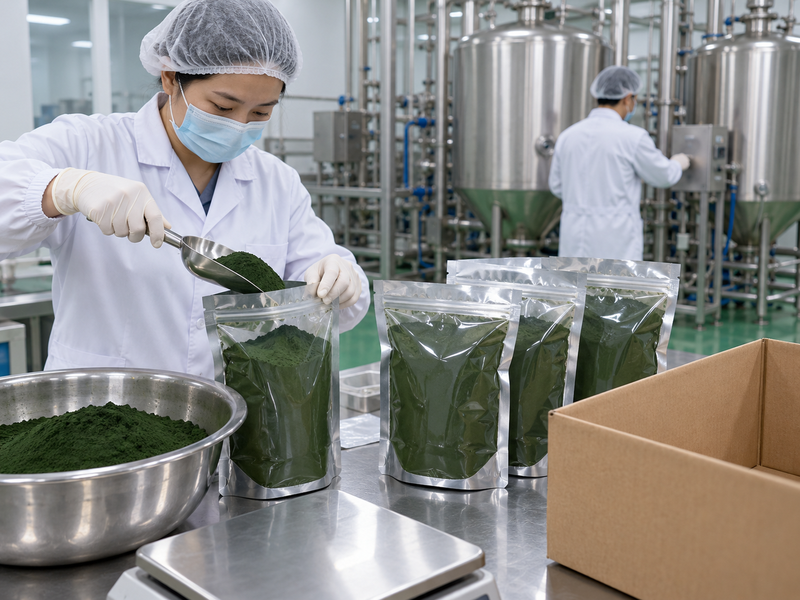
State the chlorella grade, final product type, expected dosage, requested vitamin K form, annual volume and sales market. Ask whether current commercial lots have analyte-specific results and whether a numerical limit is feasible. Approve the supplied sample only after the formula team and label reviewer agree on its role.
FAQ
Is green color proof of vitamin K content? No. It is not an assay.
Can I use a generic nutrition database value? Use it for preliminary planning, then obtain a named-lot result.
Are all vitamin K forms interchangeable on a report? No. Require the analyte to be identified.
Does the ingredient result equal the final label value? No. Calculate the complete serving and verify as needed.
Does this guide provide medical advice? No. It is a raw-material and labeling evidence checklist.
Request a lot-matched chlorella sample, vitamin K method report and quote with your formulation dose and destination market.