
An approved supplier can still ship the wrong lot, damaged bags or a product that differs from the trial sample. Chlorella ingredient incoming inspection is the receiving gate that catches those issues before material reaches production. Buyers need a written sequence linking paperwork, physical packs, sampling and quality release. The FDA preventive-controls rule and FSVP guidance offer U.S. regulatory context where applicable; this checklist does not replace a site’s own hazard analysis.
Contents
- Why does an approved supplier still need an intake gate?
- Which documents should arrive with each lot?
- How should bags and labels be inspected?
- What makes an incoming sample representative?
- How can identity be confirmed?
- Which tests belong in a risk-based plan?
- How should material stay quarantined?
- What happens when records disagree?
- How should the buyer record release?
- When should the inspection plan change?
1. Why does an approved supplier still need an intake gate?
Supplier approval and lot release answer different questions
Supplier approval examines capability, controls and past performance. Incoming inspection asks whether this specific delivery is the material the buyer ordered, in acceptable condition, with evidence tied to its lot. Transit damage can occur after a supplier signs the certificate. A label can be printed incorrectly. A formulation or processing change may reach the receiving dock before purchasing notices. A routine gate gives warehouse and quality teams a shared stop point before the product enters an open production bin.
Keep the gate proportionate. A long-standing supplier with strong records may warrant a different testing frequency from a new source, but neither should bypass identification and pack checks. Define who can move stock, who can sample and who signs final release. If the material serves a dietary supplement, applicable U.S. dietary supplement CGMP requirements need separate review. For conventional food, use the applicable preventive-controls framework. The same green color does not establish that two lots share species, grade, processing history or contaminant profile.
2. Which documents should arrive with each lot?
Match the paper trail to physical material
Request an invoice or delivery note, packing list, current specification and lot-specific certificate of analysis. Depending on contract and market, ask for origin, allergen, food-contact packaging or process statements. Record product code, manufacturer, manufacturing site, lot number, quantity, pack count, date and specification revision. A COA with attractive results is unusable if its lot code cannot be matched to the bag. Ask whether testing was done by the manufacturer or an outside laboratory and whether the method is the agreed one.
A frequent snag: a distributor’s packing list carries a new stock code while the manufacturer COA shows an earlier production code. Both can be valid, but the supplier must provide a controlled cross-reference. Do not invent that link locally. Save the chain from original manufacturing lot through any repacking or relabeling. If certificates are translated, keep the original and the approved translation together. Document control matters because an old specification could allow a lot that fails the newly approved version. Intake staff should know which version is current before a truck arrives.
| Document | Match against | Common mismatch |
|---|---|---|
| COA | Bag lot and specification | Wrong lot code |
| Packing list | Physical count | Missing pallet |
| Product specification | Purchase order | Old revision |
| Repack link | Original batch record | Unexplained new code |
3. How should bags and labels be inspected?
Treat packaging as product evidence
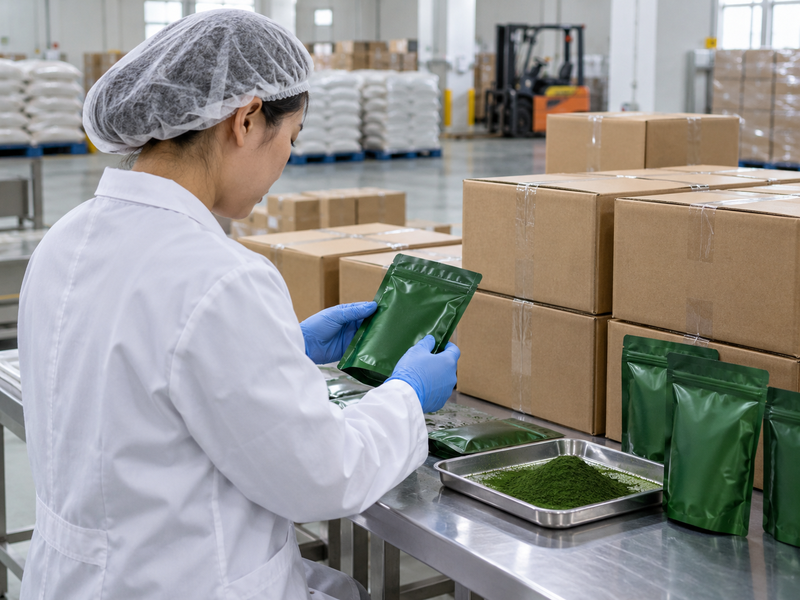
Check outer packs for wet stains, tears, punctures, unusual odors and crushed seams. Open selected outer packs without contaminating the food-contact liner. Confirm the liner is sealed as agreed and that its closure has not been improvised. Read labels for product name, net weight, lot, manufacturer or packer and storage instruction. Photograph any discrepancy before moving the pallet. A damaged bag should be segregated even when the rest of the shipment looks sound.
Compare pack format with the approved drawing and trial lot. Look beyond appearance: a new liner or seal method may affect moisture control and shelf life. Ask for change approval if it differs. Record pallet location for every defect so a pattern can be identified. A wet bottom layer suggests a different investigation from random punctures across a load. Avoid opening every bag in an uncontrolled warehouse; inspection should preserve product hygiene. Where the supplier uses tamper-evident closures, note whether those are intact rather than relying on a vague “good condition” checkbox.

4. What makes an incoming sample representative?
Write a plan before seeing the result
Specify how many packs to sample, which positions to select and what tests each sample supports. The plan should reflect lot size, pack size, risk, supplier history and whether material was blended or repacked. A sample from the top bag of one pallet cannot describe every bag in a large shipment. Include different pallet locations or production sublots when relevant. Use clean tools and containers, and protect sample identity during transfer to the laboratory.
A useful discipline: retain individual bag identity until the testing question is clear. Compositing may be suitable for some attributes, but a composite can dilute a local contaminant or conceal a damaged bag. Ask the laboratory which tests require individual units. Record the sample collector, time, pack IDs, seals and chain of custody. If a test fails, those details help determine affected scope. Never modify sample selection after seeing a poor result without documenting the reason. A pre-agreed retest rule protects both buyer and supplier from opportunistic sampling.
| Sampling choice | Benefit | Limitation |
|---|---|---|
| Multiple pack positions | Sees shipment variation | Needs more handling |
| Individual samples | Locates a problem | More testing work |
| Composite | Efficient for some screens | Can hide local issues |
| Retain sample | Enables investigation | Requires controlled storage |
5. How can identity be confirmed?
Compare the offered ingredient with the approved definition
Write the botanical or algal identity, product form, processing and composition in the specification. “Chlorella powder” can cover different species, cell-wall treatments and carriers. A visual green-powder check is useful for a gross mismatch but cannot identify all substitutions. Use an appropriate identity method chosen by the buyer’s technical team. The method must suit the material: highly processed powder may require a different approach from intact biomass. Record any supplier-supplied reference material and how it was authenticated.
The FDA dietary supplement CGMP regulation includes identity-verification requirements for dietary ingredient components under its scope. For conventional food, the precise program depends on product hazards and applicable law. Ask the plain question: what evidence shows this delivered lot matches the approved ingredient? Keep its answer separate from claims about nutritional value or absorption. A label saying “broken cell wall” needs a defined process or test basis. A label saying “organic” needs the appropriate certification and transaction trail for the intended market.

6. Which tests belong in a risk-based plan?
Let hazard assessment drive testing
Potential checks may include moisture, water activity, microbiological criteria, heavy metals, relevant toxins, particle size and sensory attributes. The right set depends on biomass source, cultivation water, processing, downstream use and destination market. Do not assume every item needs every test on every lot. Supplier controls, audit findings and validated production history can influence frequency, but the buyer should document its rationale. A COA result should state method and units, not only “pass.”
Separate safety from performance. A lot can meet microbiological limits yet flow poorly in the buyer’s tablet press. Another can blend well yet fail an identity or contaminant requirement. Maintain both types of acceptance criteria. The FDA FSVP guidance discusses risk-based evaluation and verification for covered U.S. importers; apply it according to the importer’s role. Ask the supplier about its analytical laboratory, method revisions and how an out-of-specification result affects shipment. Do not replace a documented release program with a marketing certificate.
| Test group | Buyer question | Example record |
|---|---|---|
| Identity | Correct grade and species? | Defined method result |
| Safety | Meets hazard-based criteria? | Lot-specific test report |
| Stability | Suitable water status? | Moisture and activity |
| Function | Runs in buyer’s process? | Flow or size result |
7. How should material stay quarantined?
Make status visible to everyone on site
At receipt, assign a unique local intake ID and a physical or digital quarantine status. Store the pallets in conditions that protect the sealed ingredient, away from wet floors and incompatible materials. Sampling may break a seal; mark sampled packs and reclose them according to procedure. If production urgently needs stock, it should still wait for the required release checks. A partial release must have a documented basis and precise pack identities so the remaining material cannot move by mistake.
A label alone can fail: an operator may scan a location that the system treats as available stock. Align warehouse location, inventory status and visible tags. Review the FDA warehousing provision for covered human-food operations. Record temperature or humidity excursions that could affect a green biomass powder. If an arriving liner has water damage, segregate the affected packs immediately; do not leave them mixed with clean stock while waiting for a supplier reply. The local lot ID should remain linked to supplier codes throughout storage and use.

8. What happens when records disagree?
Stop use and reconcile the exact discrepancy
A mismatched lot, old specification or unexplained pack count needs an exception record. Identify affected pallets, hold them and contact the supplier with photographs and document copies. Ask for a controlled correction showing who made the error, which original record remains valid and whether any other shipments are affected. Do not accept an untracked replacement PDF that silently changes a lot number or result. The buyer’s quality team should decide whether independent testing can resolve a technical concern or whether supplier records remain inadequate.
Consider this case: the delivered weight exceeds the quantity on the COA. Perhaps an extra pallet belongs to another manufacturing lot. Treating the difference as a harmless typographical error could mix lots in production. Reconcile packed quantity, pallet IDs and batch genealogy before release. Record commercial shortages separately from quality disposition. If a bag was relabeled, request the source label and approval trail. Close the exception only after inventory, laboratory and purchasing records agree on what material the site actually received.
| Discrepancy | Hold scope | Evidence needed |
|---|---|---|
| Lot-code mismatch | Affected packs | Controlled code link |
| Quantity mismatch | Shipment | Pack reconciliation |
| Missing result | Whole lot or risk area | Valid report |
| Damaged liner | Affected packs | Condition assessment |
9. How should the buyer record release?
Make the decision traceable to its evidence
The final release record should identify the local intake ID, supplier lot, specification revision, document review, pack inspection, sampling results, deviations and approver. If outside laboratory work remains pending, note the hold and prevent system availability. A quality signature should state what was reviewed, not merely that a pallet arrived. Preserve photographs and correspondence under the same record so a later complaint can be investigated without hunting across inboxes.
One useful check: trace a finished product lot back to the exact incoming chlorella lots consumed. If the warehouse system cannot distinguish partial pallets, revise the process before opening several source lots on one shift. Record any approved deviation from normal testing frequency and its reason. The manufacturing team’s batch record should reflect actual issued quantities and returns. Release is a point-in-time decision under defined evidence; it does not excuse later monitoring if the supplier reports a recall, a changed method or a previously unknown batch problem.
10. When should the inspection plan change?
Revisit frequency after evidence changes
Review complaint trends, failed lots, delivery damage, process changes, new product uses and supplier audit findings. A stable history may support a different test schedule where regulations and hazard controls permit. A new cultivation site, cell-wall process or pack format may call for additional verification even if the trade name stays the same. Record why a test was added or removed and when the decision will be reviewed. Do not downgrade inspection simply because purchasing volume rises.
Discuss the plan with both supplier and internal users. A sensible trial: inspect several early commercial shipments against the approved sample and process them in the intended product before accepting reduced checks. If a failure appears, expand hold and testing according to the written rule. Share specific feedback such as a weak seal or unexplained lot link; it gives the supplier a problem it can fix. Chlorella ingredient incoming inspection should protect production without turning every arrival into an unplanned debate. Put owners and deadlines on the review calendar.
| Trigger | Possible plan change | Approval |
|---|---|---|
| New supplier | More identity and safety checks | Supplier quality |
| Stable performance | Consider risk-based frequency | Quality |
| Packaging defect | Add seal sampling | Packaging and quality |
| New end use | Revisit specification | Regulatory and R&D |
FAQ
Q1. Can an approved supplier’s COA replace incoming checks? It supports release but cannot verify transit condition, physical labels or every buyer-specific requirement.
Q2. Should every bag be opened? Follow a risk-based sampling plan that protects product hygiene and represents the delivered lot.
Q3. Does green color prove identity? No. It is a gross screening clue; use an appropriate identity method for the processed ingredient.
Q4. Who can release quarantined powder? A named quality role should approve release against documented criteria and completed evidence.
Q5. What if a supplier issues a corrected COA? Keep both versions and a controlled explanation, then reassess the lot before changing its status.
Chlorella ingredient incoming inspection links the order, physical bags, laboratory evidence and actual production use. Agree on the gate before the shipment arrives, then keep questionable stock on hold until records agree. Ask the supplier for a sample document set ahead of the pilot order. The FDA’s FSVP guidance is a useful further reference for covered U.S. importers.