
A blue spirulina wholesale receiving inspection is the controlled handoff from carrier to warehouse and from warehouse to quality approval. A pallet can arrive on the promised date and still carry the wrong grade, a broken liner or a COA for another lot. Build a short, repeatable workflow that records what arrived, isolates uncertainty and releases only the approved SKU. The supplier’s blue spirulina page says buyers should confirm specification and batch documentation. FDA preventive-controls guidance also discusses documenting ingredient receipt checks where applicable. The dock rule: physical receipt never silently becomes permission to use.
Contents
- What begins a blue spirulina wholesale receiving inspection?
- Which conditions belong on the dock record?
- How should identity and quantity be reconciled?
- What pack defects require immediate segregation?
- How should lot documents be checked?
- When should samples be drawn?
- How does quarantine prevent accidental use?
- What happens when a shipment partly passes?
- Who authorizes the final disposition?
- How can inspection results improve future orders?
1. What begins a blue spirulina wholesale receiving inspection?
Put the approved order and specification at the dock
Give the receiving team an expected delivery notice with PO, approved SKU, grade, unit pack, quantity, supplier, lot count where known and carrier reference. QA should have access to the current signed specification, approved supplier status and sampling instructions. Confirm the appointment, space for quarantine and equipment capable of unloading the actual pallet weight and height. A sample or commercial name alone cannot tell warehouse staff which lot belongs to which line item.
Prepare the hold state too. Inventory software should book incoming packs as restricted until quality review is complete. Print labels or make scan codes that distinguish “received” from “released.” If the shipment contains several lots, plan separate locations or clear pallet tags. Have a camera or mobile device ready for condition photos and a method for recording seal numbers. The existing bulk-packaging post explains why pack configuration is part of the purchase. Receiving should know the agreed configuration before a driver opens the doors.

2. Which conditions belong on the dock record?
Capture condition before unloading changes it
Record arrival date and time, vehicle or container ID, seal number where used, door condition, odor, visible water, pallet position and obvious load shift. Photograph anomalies before moving cargo. Check whether cartons are crushed, wet, torn or open. Note temperature or humidity logger IDs when the shipment plan calls for them. The receiver need not diagnose product quality at the dock; the job is to preserve observations and prevent questionable units from entering unrestricted stock.
Write down exceptions on the delivery record. A signed clean receipt for clearly damaged cargo can complicate a transport claim. Follow the buyer’s carrier-notice procedure and keep photos with the shipment reference. The FDA sanitary transportation rule describes sanitary equipment and transport practices where covered, while also noting exclusions. Irrespective of scope, a clean, dry vehicle and intact ingredient packs are reasonable contract requirements. Keep the legal review separate from the immediate physical inspection.
| Dock field | Record | If abnormal |
|---|---|---|
| Vehicle or container | ID and seal | Photograph mismatch |
| Cargo condition | Dry, clean, shifted | Segregate affected units |
| Pallet count | Expected and actual | Note shortage or overage |
| Logger | Device ID and location | Preserve trace |
3. How should identity and quantity be reconciled?
Match four records, then count physical packs
Compare the PO, supplier packing list, package labels and delivery document. Verify exact SKU and grade, manufacturing lot, unit net weight, pack count and pallet IDs. A carton marked with the right ingredient family but a different carrier or color grade is not the approved item. Weighing a sample pallet can help detect a gross quantity error, but it does not replace counting units by lot. Record discrepancies before the driver leaves if possible.
A common trap: the transport document shows total gross weight while the PO is in ingredient net kilograms. Convert on the agreed basis and reconcile packaging weight separately. If one pallet contains multiple lots, book each lot under its own inventory identifier. The site’s lot-traceability guide is relevant because the same identifier must follow material into production. Do not create a new internal lot that hides the supplier’s original code; use a mapped internal identifier if your system requires one.

4. What pack defects require immediate segregation?
Protect both ingredient and evidence
Segregate cartons with broken tamper evidence, torn primary liners, leaks, water staining, foreign material, severe crushing or missing labels. A damaged outer carton may or may not mean the inner bag was compromised, so document it and let QA assess. Mark the affected pallet positions rather than declaring an entire container good or bad on one quick glance. Keep the original packaging until inspection and claim requirements are met; an informal rebox can erase the damage pattern.
Treat partial damage precisely. If two cartons on one pallet are wet while eight are dry, identify all ten, hold at least the affected group and assess potential spread or contamination. Do not put apparently sound packs into production before QA decides whether the incident affects the lot. Use safe handling if powder has spilled; an open pack is not a candidate for routine acceptance. The contract should name how shortages and transport damage are reported and remedied, since Incoterms® 2020 allocates delivery risk but does not itself provide a full inspection and claims procedure.
| Defect | Immediate action | QA question |
|---|---|---|
| Torn primary bag | Quarantine and contain | Is contents compromised? |
| Wet outer carton | Segregate and photograph | Did water reach liner? |
| Missing label | Hold unidentified pack | Can identity be proven? |
| Crushed carton | Inspect under control | Was seal damaged? |
5. How should lot documents be checked?
Check actual results against the signed standard
Match each lot code on the packaging to a lot-specific COA. Confirm product name, manufacturing date, expiry or retest date, tested attributes, method references and actual results. A statement that the lot “passes” without the expected data may not support trending or customer release. The approved specification should state which results and test methods are required. Ask for a correction when document and label data conflict; do not edit a supplier COA locally to make a mismatch disappear.
Check provenance. Does the document identify the manufacturer, not merely a trader? Is it signed or otherwise controlled? Are outside laboratory reports linked to the same lot if required? The site’s COA guide provides related buyer context. A customs clearance document can be correct while the quality file is incomplete, and vice versa. Procurement, importer and QA should each review the fields they own. Keep the final accepted document version with the physical receipt record.

6. When should samples be drawn?
Follow a risk-based, approved plan
Some buyers verify every lot; others rely partly on supplier controls and targeted checks under their approved food safety plan. Decide sampling frequency, package selection, sample size, method, clean tools and chain of custody before receipt. A top scoop from one damaged carton is a poor representation of a multi-pallet shipment. If the primary bag must be opened, use a controlled sampling station and reseal or dispose of that unit according to the procedure. Keep a retained portion when required for later comparison.
Do not improvise a new acceptance test at the dock. The color result, moisture check or microbiological result needs a defined method and limit. FDA supply-chain guidance discusses documented receipt and supplier verification where relevant; it does not prescribe one universal test panel for blue spirulina. Sampling should answer the buyer’s identified risks and contractual requirements. Record sampler, date, package IDs and any exceptions. The laboratory result must map back to the specific lot under hold.
| Sampling field | Required record | Why |
|---|---|---|
| Lot and pack ID | Exact source | Traceability |
| Method | Approved procedure | Comparable result |
| Sampler and date | Chain of custody | Investigation |
| Retain location | Storage and seal | Future comparison |
7. How does quarantine prevent accidental use?
Make the hold visible in the system and warehouse
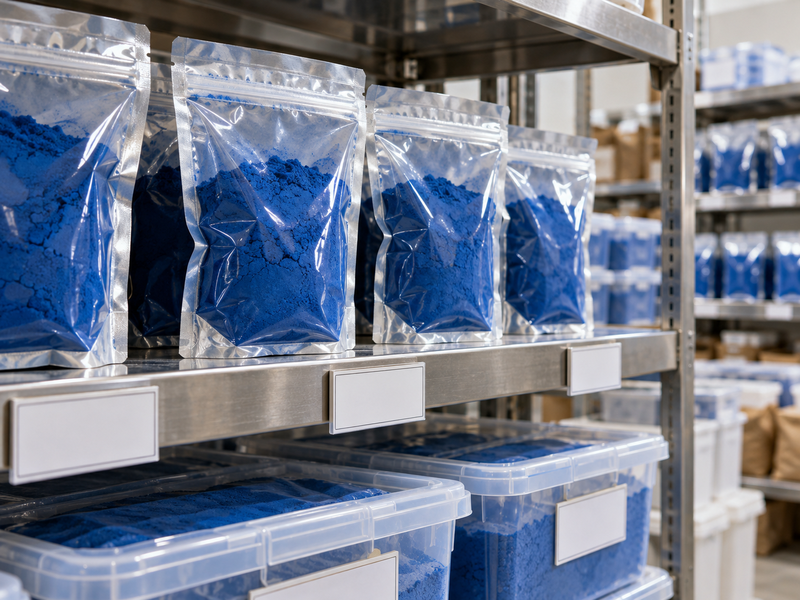
Quarantine is a status, not merely a strip of tape. Mark each pallet with a hold identifier and restrict stock in the inventory system so production cannot pick it. Separate suspect packs from released material and keep the lot label readable. If the warehouse has a shared location, train pickers to check status rather than relying on color-coded wrap. Only an authorized QA role should change the status after document review and any testing.
Plan for rush orders. A production manager may know the truck arrived and ask for an immediate issue. The answer should be the defined expedited review path, not an undocumented override. Track the time from receipt to release so procurement can include it in lead-time planning. If a laboratory sample is pending, communicate the expected result date without assuming a pass. An unrestricted ERP receipt before QA approval can let one carton escape the hold and compromise a later investigation. Test the workflow with a pilot receipt.
8. What happens when a shipment partly passes?
Dispose by identifiable unit and lot
One delivery may contain several lots, or one lot may include both intact and damaged packs. Define the smallest unit that can be independently assessed. QA may release a sound lot while holding a different lot if records and physical separation support it. Within one lot, a partial release requires confidence that damage was localized and the unaffected packs remained protected. Do not split stock simply to keep production running; write the scientific and physical basis for the decision.
Reconcile quantities. The receipt file should show ordered, received, held, accepted, rejected and missing units. If 40 cartons arrive and 3 are damaged, the inventory total should not still display 40 unrestricted cartons. Notify supplier and carrier with exact pack IDs and photos. Keep claim and replacement quantities aligned with the final QA disposition, which may change after inspection. A consistent ledger prevents double-credit requests, lost cartons and accidental use of a disputed pack.
| Status | Quantity example | Inventory treatment |
|---|---|---|
| Received | 40 cartons | Restricted |
| Intact under review | 37 cartons | Hold until QA release |
| Damaged under review | 3 cartons | Segregated hold |
| Accepted after review | QA-determined | Unrestricted only by approval |
9. Who authorizes the final disposition?
Keep authority separate from arrival pressure
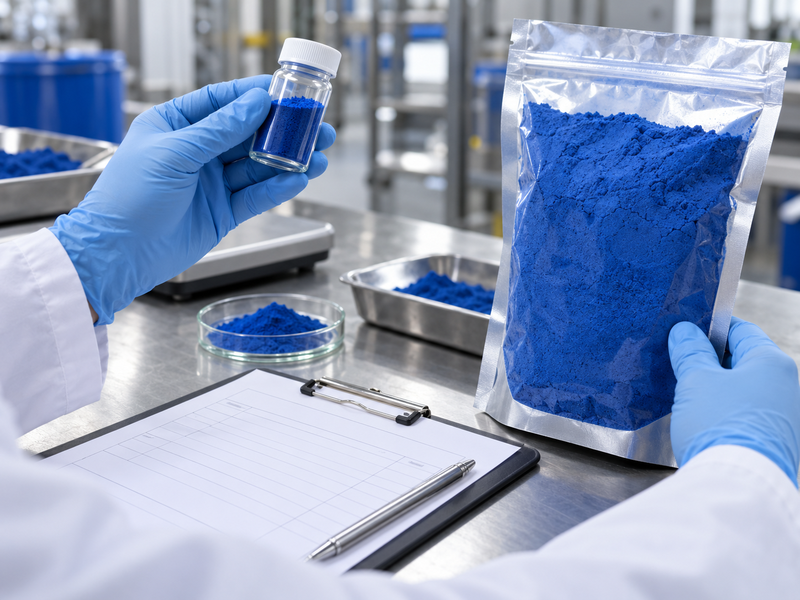
Warehouse staff record and protect the delivery. QA confirms identity, documents, test results and any deviation. Procurement contacts the seller about shortages or replacement. Logistics handles carrier notice and transport evidence. Production receives stock only after unrestricted release. Write these roles into a receiving SOP and give each person a named backup. A small organization can combine roles, but the record should still show who observed the condition and who made the release decision.
A rejection needs instructions too. Decide whether the affected material returns, remains sealed for carrier inspection or is destroyed under controlled authorization. Preserve lot codes and disposition records. If a batch is accepted under concession, document why, which use is permitted and who approved it; avoid an open-ended “use as normal” note. The blue spirulina specification guide is useful further reading because acceptance only works against a current, agreed standard. Routine signatures should be quick, but never ambiguous.
10. How can inspection results improve future orders?
Turn receiving exceptions into supplier feedback
Trend on-time arrival, pack defects, label mismatches, COA corrections, quantity variance and days from receipt to release. Separate supplier-controlled causes from carrier and buyer-process causes. A repeated missing expiry date needs label or document correction; a recurring damaged bottom carton suggests pallet or handling review. Give the supplier examples with lot and shipment references instead of a vague monthly complaint. Check whether the next delivery actually reflects the corrective action.
Keep the target practical. The objective is conforming pigment available for production with a traceable decision, not the fastest possible truck unloading. Ask for a pre-dispatch document packet and pack photos on the next initial order, then compare them with dock observations. Use actual receiving time to improve replenishment plans. A concise, evidence-based SOP makes the trade between speed and control visible to everyone who depends on the ingredient.
| Trend measure | What it reveals | Follow-up |
|---|---|---|
| Label mismatch rate | Identification weakness | Supplier label review |
| Pack damage rate | Handling or design issue | Route and pack review |
| COA correction count | Document control | Pre-dispatch check |
| Receipt-to-release time | Buyer capacity or quality holds | Resource plan |
Final purchasing decision
A blue spirulina wholesale receiving inspection succeeds when every pack has a known identity, condition and status before use. Prepare the approved standard, record the dock evidence and keep stock restricted until QA signs off. That discipline turns a delivery into dependable production inventory.
FAQ
Q1: Can material enter production after a clean carrier receipt? Only after the buyer’s defined QA release.
Q2: Must every lot be sampled? Follow the approved risk-based plan and any contractual testing requirements.
Q3: What if the COA lot differs from the carton? Hold the packs and request a controlled correction.
Q4: Can undamaged cartons be released from a partly damaged shipment? Possibly, if QA documents physical separation and supporting evidence.
Q5: Who records visible damage? Receiving records it immediately; QA and logistics then assess release and claim steps.