
Spirulina cultivation water quality means the condition of water entering and circulating through a biomass culture. A buyer may receive an excellent-looking powder sample while knowing almost nothing about its water source. A practical solution is to request source controls, monitoring records and a traceable link from culture to dried lot. Research on Limnospira cultivated with recycled medium shows that water chemistry and biomass composition must be observed together; its trial conditions do not certify an unrelated commercial farm.
Contents: 1 · 2 · 3 · 4 · 5 · 6 · 7 · 8 · 9 · 10
1. What counts as cultivation water in a purchasing review?
Map every entry and return stream
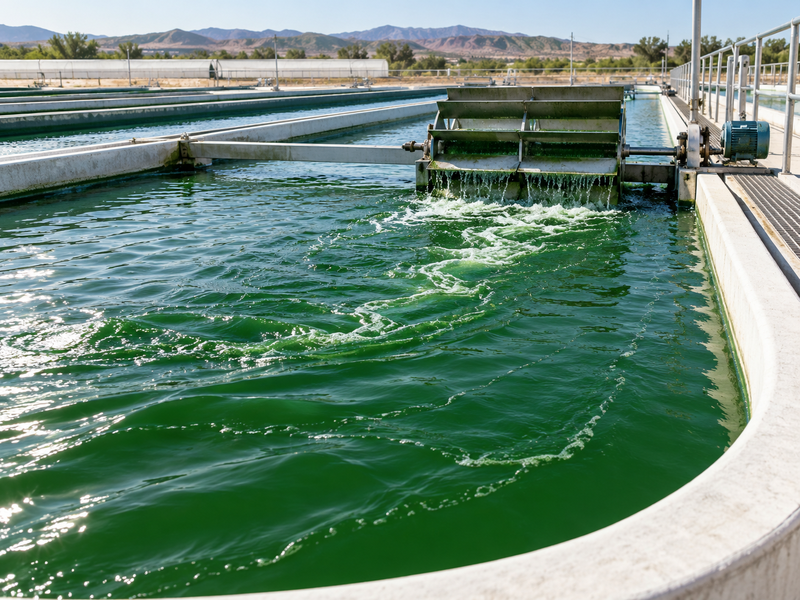
Cultivation water includes the initial fill, routine makeup water, water carried by nutrients or cleaning residues and any recirculated culture medium. A well sample from opening day cannot represent all later additions. Ask the facility for a simple water-flow map showing sources, treatment, storage, distribution, ponds or reactors, harvest return and discharge. Start at the boundary: where can untested water enter the food biomass process?
The map should name the water used to wash harvested biomass separately from culture water. These contact points may have different controls and must not be merged into one vague “treated water” claim. The FAO cultivation and processing review places water within a broader sequence of production steps. For procurement, that means linking source approval with downstream testing rather than relying on a source description alone. Request document version, sampling points, owner of each check and records for the offered lot’s production period.
| Water stream | Record to request | Decision question |
|---|---|---|
| Initial fill | Source approval and test | Was it suitable for this process? |
| Makeup | Date and volume log | What entered during this lot? |
| Harvest return | Treatment and reuse rule | Was reuse controlled? |
| Wash | Separate quality record | Did it contact biomass? |
2. Which incoming-water hazards deserve attention?
Match tests to source and location
The right panel depends on whether water comes from a municipal supply, borehole, surface source or another approved system. Review source changes, seasonal variation, microbiological concerns, unwanted chemicals and metals relevant to the site. A pilot cultivation study examined water chemistry alongside biomass and contaminant outcomes, illustrating why input and product results belong in the same review. It does not supply universal acceptance limits for every facility.
Ask the supplier to show its hazard assessment and analytical schedule. Results need sample point, date, method, units and a response when a limit is exceeded. Read the timing carefully: a test from last year may not explain this month’s water source. Where a municipality provides water, its report may help source evaluation, but the supplier still needs controls for its own pipes, storage tanks and treatment equipment. A buyer should ask what happens to culture and lots when source quality changes or a treatment unit fails.
3. How do culture nutrients affect water quality?
Record additions as controlled inputs
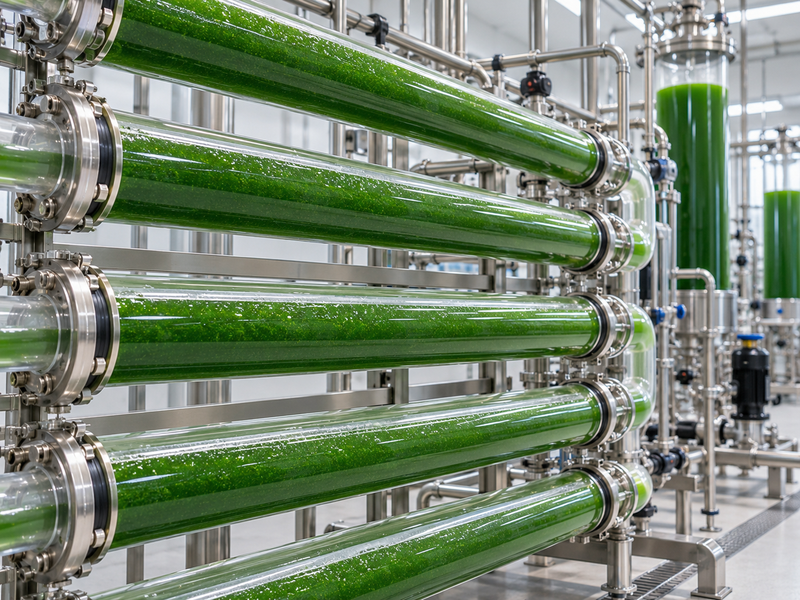
Spirulina grows in a managed medium containing carbon and other nutrients. Water chemistry changes as cells consume nutrients, operators add makeup and evaporation concentrates dissolved substances. A supplier should define approved input materials, their quality grades, dosing records and checks that prevent handling errors. The buyer need not demand a proprietary recipe, but should be able to see that inputs are controlled and traceable. The useful question: can each input during a harvest window be linked to a purchased lot of material?
Ask how the facility confirms that a substitute nutrient or new source is acceptable before use. A change can affect culture performance or final biomass composition. The recent recycled-medium cultivation trial measured ions and biomass across successive phases, showing the value of observing change over time. Do not transfer its numeric results to a factory specification. Instead, ask the supplier for its own validated operating ranges and the outcome of deviations. Finished powder tests remain necessary because a stable culture reading does not prove the dried lot meets every contaminant limit.
| Input control | Minimum evidence | Risk addressed |
|---|---|---|
| Supplier approval | Named source and grade | Unexpected impurities |
| Receiving check | Lot ID and acceptance | Wrong material |
| Dosing | Time, quantity, vessel | Unrecorded change |
| Reconciliation | Inventory against use | Missing traceability |
4. What should operators monitor during cultivation?
Use trends, not isolated readings
Operators commonly monitor conditions such as pH, temperature, conductivity, light exposure and culture appearance according to the system. Measurements should have approved ranges, calibrated instruments and a defined response when results drift. A single favorable reading taken for a factory tour has limited value. Request a trend from the period that produced the sampled powder and review both normal days and exceptions. A practical signal: a real process record includes inconvenient excursions and explains their disposition.
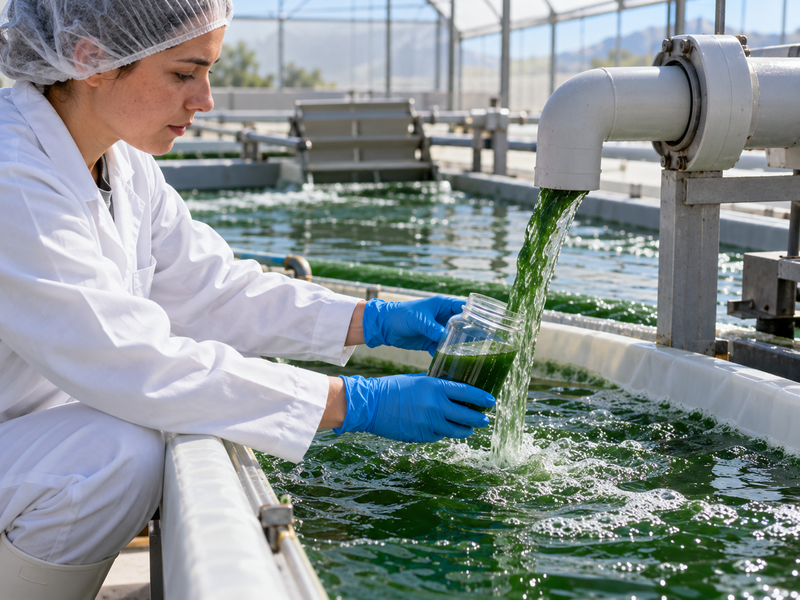
Sampling frequency should match the speed at which a change could affect the culture. Automatic sensors may generate frequent readings, but staff must also check that probes stay clean and calibrated. Manual logs need time and operator identity. Ask whether cultures are isolated after a water-quality concern and how that status carries into the harvest record. The supplier may keep detailed operating limits confidential, yet it should demonstrate a controlled plan. Procurement can evaluate record integrity without owning the cultivation recipe.
5. How should recycled culture water be managed?
Treat reuse as a documented process step
Reusing medium can change water demand and cost, but it also accumulates substances unless the facility monitors and controls them. Ask what fraction returns, how solids are removed, whether treatment occurs and when medium must be purged or replaced. A 2026 experimental study of seawater-based Limnospira cultivation observed composition during recycling. Its design supports asking about accumulation and biomass results; it cannot validate a commercial reuse program with different water and inputs.
The supplier should show a return-flow record, routine chemistry checks and corrective actions. If harvest water goes back to the same pond, clarify whether it is filtered, stored or exposed before return. Do not accept a slogan: “closed loop” describes an aspiration, not a documented contaminant control. Request a defined maximum reuse period or other decision rule and the evidence behind it. For a food buyer, final lot testing and source changes still matter even where the recycle loop looks technically sophisticated.
| Reuse point | Ask the operator | Ask quality staff |
|---|---|---|
| Collection | Which stream returns? | Is it approved? |
| Treatment | What is removed? | How is performance checked? |
| Storage | How long and where? | How is status identified? |
| Purge | What triggers replacement? | Which lots are affected? |
6. Can water contaminants appear in the biomass?
Verify both sides of the transfer
Some dissolved substances can be taken up or carried with harvested biomass. The outcome depends on organism, exposure, processing and contaminant chemistry, so a buyer should avoid simplistic claims that water tests alone guarantee a clean powder. A cultivation study that measured water conditions and biomass metals illustrates the need for paired observations. Request finished-lot contaminant results against the destination’s limits, plus a source-water plan that reduces risk before growth begins.
Ask the laboratory how it sampled the powder and whether results represent the batch being offered. If material from several ponds or harvest dates is combined, trace all contributing streams. Here is the key distinction: incoming tests prevent and diagnose problems; product tests support lot release. Neither replaces the other. A passing lot result does not justify ignoring a failing water system, because the next lot may differ. Also, a good water report cannot clear powder that has not been tested where testing is required.
7. How do water records connect to lot traceability?
Build an unbroken date and location chain
Each finished lot should point back to harvest dates, cultivation vessels or pond zones, water additions and major treatment events. A simple matrix can show that relationship without revealing the supplier’s proprietary recipe. Ask for an example using the actual sample lot. Compare dates on the water test, culture log, harvest ticket, dryer record and COA. The gap to find: a water record attached to a facility is weaker than one associated with the period and stream that produced your goods.
Traceability also enables targeted action. If a water source later fails a check, the manufacturer needs to identify which cultures and packaged lots may be affected. Request its hold-and-release rule and mock recall or trace exercise summary. The FDA discussion of blue-green algae products emphasizes applicable manufacturing controls. A working trace system is one such operational control. The buyer should specify how quickly records must be supplied during an incident.

| Record date | Linked identifier | Check |
|---|---|---|
| Source test | Water system | Correct source and point |
| Input | Pond or vessel | Within culture window |
| Harvest | Wet biomass lot | Matching dates |
| Drying and pack | Finished lot | Complete forward link |
8. What should a buyer ask during a supplier audit?
Walk the route from tap to bag
Begin at the actual source and follow piping, treatment, storage and points of use. Compare the physical route with the approved flow diagram. Ask who can change valves, where backflow is prevented and how tanks are cleaned. Then inspect records for a sampled lot and one water-quality deviation. The best audit question: show a real instance in which the plan changed a production decision. A tidy procedure with no example of use gives limited assurance.
Do not demand a long tour merely for photographs. Spend time on calibration, sampling location and corrective action. If a independent lab tests water, retain the original report and compare its dates to the culture period. If a site sells both food and non-food biomass, ask how water systems, equipment and lot identities are separated. The audit should finish with a clear list of evidence gaps, responsible people and due dates. A documented gap is easier to close than an unsupported general claim.
9. Which water claims should a buyer treat cautiously?
Translate slogans into testable statements
“Pure spring water,” “filtered water” and “closed-loop cultivation” are descriptions, not specifications. Ask where the water originates, what treatment removes, what remains untested and how performance is verified. A source can change with season or infrastructure work. A filter can fail, bypass or become contaminated. Reuse can conserve water while changing salt and trace-element balance. Make every claim measurable: pair it with a sample point, frequency, limit and corrective action.
Site statements should be attributed to the site and checked against current production documents. If the Spirulina CN website describes a cultivation practice, request the water plan and batch records for the offered SKU before repeating that practice in your own marketing. Avoid claims about absence of all contaminants; laboratories test selected analytes to specified reporting limits. Careful wording protects both supplier and brand when a customer asks for proof.
| Marketing phrase | Testable request |
|---|---|
| Clean water | Source, method and recent results |
| Filtered water | Filter type, integrity and maintenance |
| Recycled water | Return map and chemistry trend |
| Consistent quality | Multi-lot powder results |
10. When is a water-quality program adequate for sourcing?
Close the loop with product release
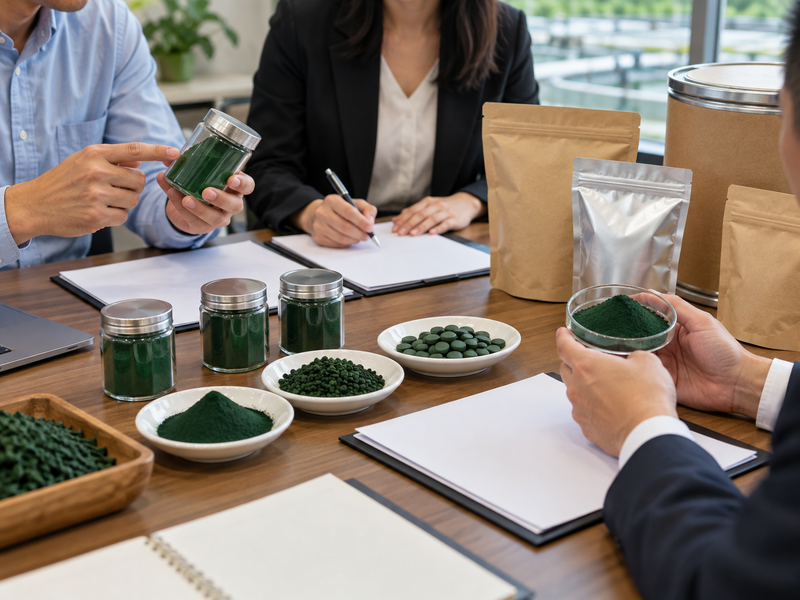
An adequate program has an approved source, controlled treatment, monitored cultivation, defined response to excursions and traceable finished-lot testing. It should explain how changes in water supply or recycling affect existing culture and future batches. The buyer should test the supplier’s evidence with one actual lot and one deviation example. If records are incomplete, request a corrective plan before commercial approval rather than assuming a favorable sample represents the whole process.
Align the program with the destination market and product use. A powder intended for a supplement and one intended for a food mix may share source controls but require different release packages. Close with a simple decision: approve only when the water story matches the batch story. Keep a retained sample and revisit the program after source or process changes. The FAO review and current experimental work support systematic monitoring; neither can certify a supplier without its own current records.
FAQ
Q1: Is municipal water automatically suitable? No. Review its source record and the supplier’s treatment, storage and point-of-use controls.
Q2: Can recycled medium be used? It can be part of a controlled process when chemistry, contaminants and reuse limits are monitored.
Q3: Does a water report replace a powder COA? No. Water controls and finished-lot release answer different questions.
Q4: Which record matters most during a source change? A date-linked change assessment showing affected cultures, disposition and later verification.
Q5: Should buyers request the exact nutrient recipe? Usually a controlled input list, traceability and change process are more useful than proprietary quantities.
Make water visible in the lot file
Ask for a water-flow map, recent source and culture records, one deviation example and a COA from the same finished lot. That small evidence pack turns an attractive water claim into a repeatable sourcing decision and gives your team a clear path when conditions change.