
A bulk bag can arrive sealed and still pour like damp sand. Chlorella powder caking prevention begins with a dry, controlled powder, then follows that powder through filling, freight and storage. Buyers need clear tests and handling rules before ordering. The FDA’s water activity guide explains why product water availability and surrounding humidity matter, while its food manufacturing rule provides context for facility controls.
Contents
- Why does chlorella powder form hard lumps?
- Which measurements belong in a powder specification?
- How can drying and cooling affect caking?
- What should a bulk package protect against?
- How can filling-room humidity be managed?
- What should happen during shipment and storage?
- How should a buyer inspect an arriving lot?
- Can particle size and compaction cause lumps?
- What should a supplier investigate after a complaint?
- How can prevention become a purchase-order rule?
1. Why does chlorella powder form hard lumps?
Separate surface moisture from handling pressure
Powder particles can bridge when they absorb water at their surfaces. A warm powder packed into a cooler liner can also create a moisture gradient that later turns into firm clumps. Compression under stacked pallets may make small bridges harder to break. Fine particles, changing particle-size distribution and long storage add other possible causes. A green color does not reveal which mechanism caused a particular lump. Ask when caking appeared: immediately after filling, after a sea voyage or only after an opened bag sat in production.
The practical split matters. Soft lumps that break under gentle pressure may point toward settling, while wet, fused or discolored masses deserve a quality hold and investigation. Neither observation alone confirms microbiological status. Record odor, pack integrity, lot identity and storage history before anyone sieves the material. Powder used in tablets may tolerate a different flow profile from powder intended for a drink premix. Define the customer’s process need rather than treating every visible clump as the same defect.

2. Which measurements belong in a powder specification?
Put method, limit and sample timing together
Moisture content and water activity answer different questions. Water activity measures available water at equilibrium; moisture content measures total water by a stated method. The FDA explains that water activity should be suitable after drying and remain controlled in storage. Do not copy an arbitrary number from another powder. Select limits from the supplier’s product-specific data, hazard analysis and shelf-life work. Record test temperature, method and sampling point so results from two labs can be compared fairly.
Flow behavior may need a separate acceptance criterion. A supplier could provide a sieve retention test, flow-through-orifice test or a defined visual clump scale, provided the method is repeatable and relevant to the buyer’s equipment. Ask for a retained sample: compare the approved trial lot with a later commercial lot under identical conditions. A certificate saying “free-flowing” without a method gives little protection when a hopper blocks. If a carrier or anticaking agent is proposed, require ingredient disclosure and approval before changing the composition of a pure-chlorella purchase.
| Attribute | Define in writing | Why buyer needs it |
|---|---|---|
| Moisture | Method and limit | Tracks total water |
| Water activity | Method, temperature, limit | Tracks available water |
| Flow or clumps | Test and acceptance rule | Predicts handling |
| Particle size | Sieve or laser method | Flags distribution shifts |
3. How can drying and cooling affect caking?
Follow the powder after discharge
An apparently dry dryer outlet does not guarantee an equally dry packed bag. Material may pick up humidity in a collection vessel, conveying line or open filling hopper. Warm powder can also reach a different equilibrium once sealed. Ask for the elapsed time from dryer discharge through cooling and filling. Request the finished-pack moisture and water-activity results, not only an in-process sample. The supplier’s drying validation should identify challenging feed loads and sampling points rather than show one average result.
Here is an avoidable mistake: a plant adjusts its dryer after a wet-powder complaint but keeps a long open hold before bagging. The same complaint can return because the downstream exposure remained. Map transfer points and open-product time. Compare seasonal humidity data; a process that behaves well during a dry month may need extra controls during a humid one. Where powder is milled after drying, assess whether heat, fines or equipment holds change its flow. Quality staff should document the chain from wet biomass through the sealed container.
4. What should a bulk package protect against?
Match liner performance with route and shelf life
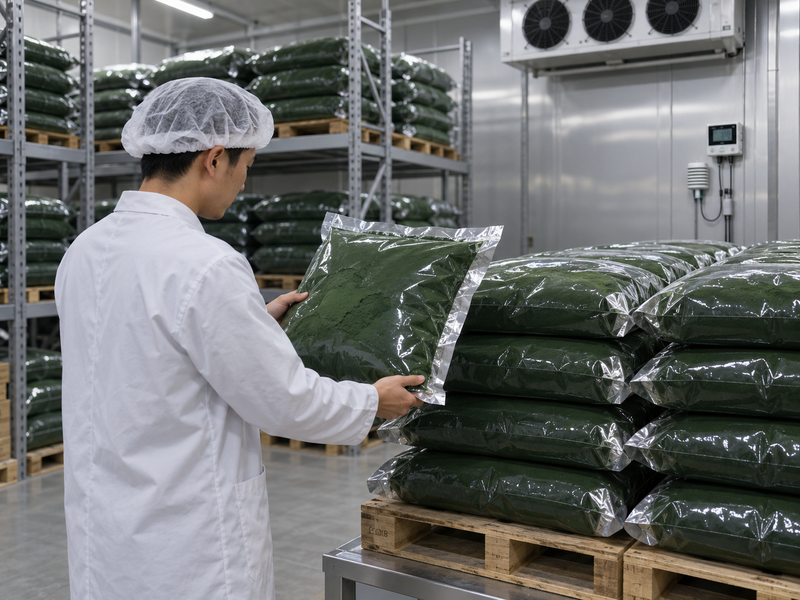
Select a food-contact inner liner and closure that protect powder from water vapor across the planned shipping and storage route. A woven outer bag may provide strength but little moisture barrier on its own. Ask for the proposed laminate, thickness, closure method and evidence of seal integrity. Tie package selection to measured product behavior and shipping conditions. A barrier claim without a test method, target and finished-bag seal check is hard to use in a supplier agreement.
Inspect pallet design too. A damaged corner, leaking roof or container condensation can expose a bag even when its factory seal passed. A useful trial: pack pilot lots in the proposed commercial format, ship or simulate the intended route and compare opening performance with a retained control. Document all opening tests. Avoid declaring a package “moisture-proof”; no practical liner removes every risk from prolonged mishandling. The FDA food warehousing provision provides a U.S. regulatory reference for protecting food against contamination and deterioration during storage and distribution where applicable.
| Package feature | Buyer check | Failure clue |
|---|---|---|
| Inner liner | Material and barrier data | Moisture pickup |
| Seal | Method and inspection record | Local hard masses |
| Outer pack | Puncture and compression protection | Torn corners |
| Pallet wrap | Water and load handling | Wet bottom layer |
5. How can filling-room humidity be managed?
Control exposure time as well as room air
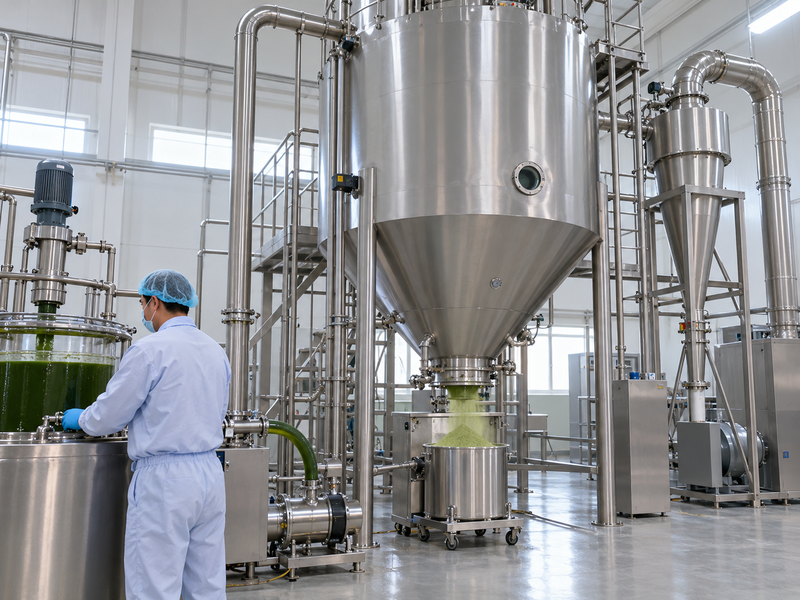
Room relative humidity is useful only when paired with open-product time and the powder’s own behavior. A brief fill in a moderately humid room may differ from an extended hold in an uncovered bin. Ask the supplier where humidity is measured, how often readings are logged and what action follows an excursion. Check whether open bags wait near washdown, doors or unconditioned storage. A simple protected transfer and prompt sealing can prevent avoidable pickup.
Look at the season: dry-season records do not prove control during monsoon conditions. Trend room and finished-pack data together across production periods. If the site uses a dehumidifier, ask how its performance is checked and who responds to an alarm. Recheck the batch after an exposure outside the approved conditions rather than relying on an earlier dryer result. Environmental control should match a defined product limit, not a borrowed factory target. Include a rule for partially filled bags waiting between shifts; these are easy to miss in a polished line tour.
6. What should happen during shipment and storage?
Write handling instructions for real freight conditions
The label and shipping instructions should identify temperature and humidity precautions supported by supplier data. Keep pallets off wet floors, protect packs from leaks and avoid unnecessary storage beside steaming processes. Freight containers may experience changing temperatures that encourage condensation on cold surfaces. A desiccant may help a route plan, but it cannot repair a weak liner or an unsealed inner bag. Record container condition and loading photographs for high-value shipments.
At the buyer’s warehouse, define a receiving location and storage condition. One small discipline helps: leave bags sealed until material is actually needed. After opening, close the liner securely and mark the new opening date; assess remaining shelf life under the buyer’s use conditions. Track whether hard clumps arise in unopened stock or only after repeated openings. That timeline directs the investigation. Where a retailer or contract manufacturer will receive part of the lot, pass along the approved handling statement rather than assuming it travels with the certificate.
| Stage | Practical control | Record |
|---|---|---|
| Loading | Dry, sound container | Inspection note |
| Transit | Protected pallet and liner | Shipment ID |
| Warehouse | Sealed bags, dry area | Location and date |
| Opened use | Reclose and date | Usage log |
7. How should a buyer inspect an arriving lot?
Compare condition with the approved sample
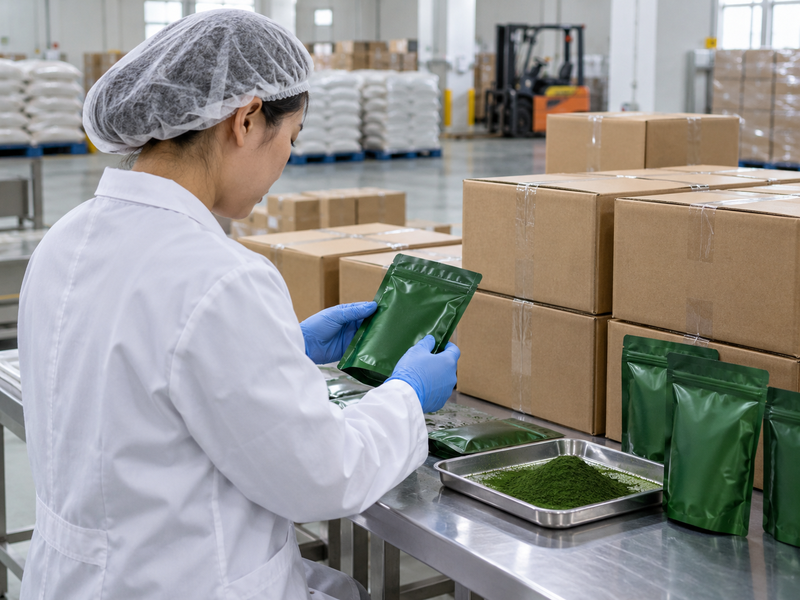
Hold the shipment until receipt checks are complete. Match lot codes and quantities against the purchase order, packing list and certificate. Inspect outer bags and inner seals for holes, stains, wet patches and loose closures. Select samples under a written plan, including bags from different pallet locations when risk warrants it. Record any clump description and whether gentle hand pressure breaks it. Compare color and odor with the accepted trial material without treating appearance as a substitute for laboratory tests.
Do not simply screen it out. Sieving a questionable powder may change its particle distribution and conceal a moisture event. Keep a sealed complaint sample and protect lot identity before changing the material. Where activity or moisture differs from specification, use the agreed retest and disposition procedure. Sampling only the easiest top bag may miss a wet container corner. If the buyer’s process requires reliable flow, run the agreed hopper or bench test on representative material. Release should be a documented quality decision, not a warehouse guess made under production pressure.
8. Can particle size and compaction cause lumps?
Test physical handling separately from water pickup
Fine powder can pack tightly under vibration or pallet pressure even when moisture measurements remain within limits. Milling or cell-wall processing can alter particle-size distribution, surface area and flow. A supplier may call the material “same grade” after changing its mill screen, yet the buyer’s feeder sees a different powder. Request a particle-size profile and a simple compaction or flow assessment from production material. Keep sampling and test conditions consistent across lots.
Distinguish a reversible compacted mass from a fused one through an agreed method. A practical example: a stack at the bottom of a container shows soft compression lumps but bags at the top pour freely. Review pallet load and storage duration before blaming the dryer. Conversely, a hard damp mass next to a broken liner needs packaging and moisture checks. An anticaking additive might fix a processing complaint while violating a pure ingredient specification. Ask the formulation team before approving any additive, carrier or new milling step. Record whether the buyer accepts gentle breakup before use.
| Observation | Possible cause | Next check |
|---|---|---|
| Soft, dry compacts | Load pressure | Flow after gentle breakup |
| Hard local clump | Leak or condensation | Liner and water activity |
| Fine dust increase | Milling change | Particle-size profile |
| Lot-wide poor flow | Feed or process shift | Batch record and trend |
9. What should a supplier investigate after a complaint?
Rebuild the history before choosing a fix
Log the customer’s lot, pack size, opening date, storage conditions and photographs. Compare the complaint pack with a retained sample and unopened bags from the same lot. Review drying trends, cooling time, room humidity, fill time, liner roll, seal checks and pallet location. Determine whether the issue affects one bag, one pallet or multiple lots. A single convenient laboratory result should not clear all stock when the observed problem is patchy.
Ask for a cause, not just a credit note. A replacement shipment solves immediate supply but may repeat the defect. The supplier’s corrective action should name an owner, due date, affected inventory and a check of later lots. If the cause remains unknown, the buyer should decide whether extra receiving tests or a temporary alternative source are needed. Keep quality disposition separate from commercial compensation. Send the investigation summary to production staff who actually use the powder; they can confirm whether revised material pours, blends and feeds as agreed.
10. How can prevention become a purchase-order rule?
Turn general promises into measurable commitments
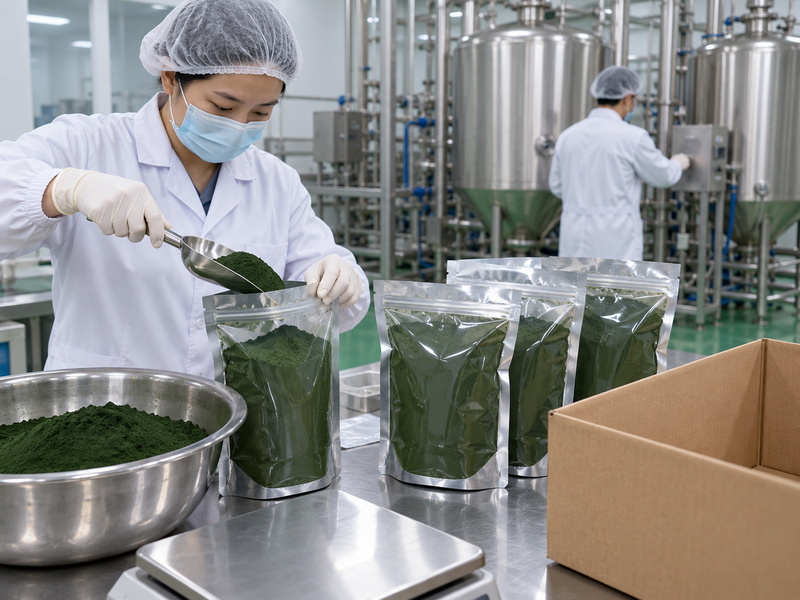
Write a controlled specification with moisture and activity methods, pack format, flow acceptance, lot coding and change notice. Attach the approved sample description and a procedure for nonconforming lots. Specify who pays for confirmatory testing and how quickly the supplier must respond to a caking report. The purchase order should point to the current revision. A salesperson’s “keep dry” message will not settle a dispute when a production line cannot feed the material.
Agree on storage and handling instructions for both sites. Keep the rule realistic: use limits derived from product data and intended use rather than demanding an arbitrary universal value. Ask for a pilot shipment in the final commercial pack before committing to a large annual volume. Review an opened bag after realistic hold time. Chlorella powder caking prevention then becomes a shared manufacturing and logistics program, with clear evidence at each handoff and fewer surprises in the buyer’s hopper.
| Purchase document | Include | Approval owner |
|---|---|---|
| Specification | Tests and limits | Quality |
| Pack drawing | Liner and seal | Packaging |
| Logistics note | Route handling | Supply chain |
| Complaint rule | Sample and response | Supplier quality |
FAQ
Q1. Can a COA alone prove powder will not cake? No. Review pack integrity, handling history and a relevant flow test alongside moisture and water activity results.
Q2. Should buyers specify one universal water-activity limit? Use a justified limit for the particular product and application, backed by supplier data and food-safety review.
Q3. Are all lumps grounds for rejection? Follow the agreed method. Soft compaction and moisture-fused masses carry different implications, but neither should be guessed away.
Q4. Can desiccants replace a moisture-barrier liner? They may support a shipping plan but do not repair a weak or open primary package.
Q5. What should happen after opening a bulk bag? Close the inner liner, date it, protect it from humidity and follow the buyer’s approved use window.
Chlorella powder caking prevention works best when dryer, filling room, liner and warehouse are treated as one chain. Request product-specific limits and a trial in the final pack before a large order. If a lot arrives clumped, preserve evidence and investigate where the powder changed. The FDA’s water activity resource gives useful background for that discussion.