
Blue spirulina wholesale transit damage claims start when packs arrive short, crushed, wet or open. The buyer must protect the ingredient and record what happened. Even real damage can be hard to claim if no one noted its condition at handover. So photograph, count and separate affected packs at the dock. Then notify the right parties. ICC Incoterms® 2020 guidance helps locate risk transfer. However, sale and carriage contracts set many claim steps. Keep two decisions separate: can QA release any ingredient, and who pays for the loss?
Contents
- When do blue spirulina wholesale transit damage claims begin?
- Which evidence makes a damage record usable?
- How should affected lots be quarantined?
- What must be written on the delivery record?
- How do Incoterms affect responsibility?
- Who should receive notice and when?
- How should partial damage be counted and valued?
- What if damage is concealed inside a pallet?
- How should replacement and insurance be coordinated?
- What should change on the shipment after a claim?
1. When do blue spirulina wholesale transit damage claims begin?
Stop normal receipt long enough to preserve facts
Before unloading, record arrival time, vehicle ID, seal number and visible condition. Photograph doors, load position, wrap and each obvious defect. Next, count pallets against the transport document and note shortages. If water, powder leakage or broken seals appear, isolate those units. Do not let an urgent production request release them. Keep the driver available while receiving records exceptions.
Work safely. A shifted stack or broken pallet can be hazardous. So trained staff should secure it before inspection. Do not climb into unstable cargo for a better picture. Logistics can alert the carrier while QA opens a hold record. Link it to shipment, pallet and lot IDs. The site’s lot-traceability guide explains why those IDs matter. A claim needs a record of what arrived, not a later estimate from memory.
For example, photograph a wet pallet before moving it away from other freight. Then note any cartons that became wet during unloading. The two observations may point to different causes.

2. Which evidence makes a damage record usable?
Build a linked file, not a folder of loose photos
Keep the PO, invoice, packing list, transport document, carrier receipt, pallet map and lot COA. Add loading photos, arrival photos and logger data where relevant. Give each photo a time and a pallet or carton ID. Show the full load, then close views of wetness or crushing. Keep original files rather than edited copies. Also record who saw the damage and whether cargo moved before the image was taken.
Proof of starting condition helps. A supplier’s pack record can show intact cartons and pallet securing at dispatch. The UNECE CTU Code offers voluntary packing guidance. It may inform a review, but it cannot decide this shipment’s facts. Match damaged units to the original packing list. Without a lot or pallet ID, a carton photo may not support a claimed quantity.
| Evidence | What it shows | Link required |
|---|---|---|
| Loading photo | Starting pack condition | Pallet ID |
| Carrier receipt | Handover and exceptions | Shipment reference |
| Arrival photo | Damage pattern | Date and carton ID |
| COA | Lot quality baseline | Exact batch code |
3. How should affected lots be quarantined?
Keep product release independent of reimbursement
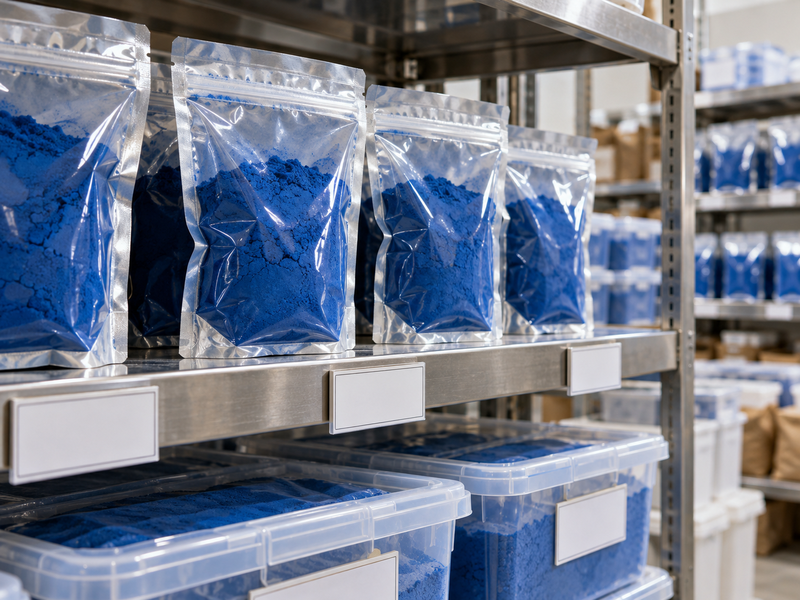
Move affected cartons to a marked hold area and block them in inventory. If one pallet holds several lots, map each carton to its lot. Then QA checks seals, moisture, color and other signed traits as needed. A torn outer sleeve may leave the inner bag sound. However, a torn food-contact liner needs a different review. Do not blend spilled powder into accepted stock or repack it informally.
Protect apparently sound neighbors too. Water can run between cartons. A dropped pallet can crush lower cases out of view. So hold nearby units until inspection sets the damage boundary. Count received, held, tested, accepted and rejected packs. Claim quantity may change after QA finishes. The supplier’s bulk-packaging guide offers pack context. Still, disposition follows the approved pack and specification. Carrier payment cannot authorize an unsafe ingredient.
Keep each hold label on the actual carton or pallet group. Otherwise, a later warehouse move can separate affected stock from its photo record. That weakens both QA review and any claim.
4. What must be written on the delivery record?
Describe observable exceptions with counts
Count pallets and cartons received, missing, wet, crushed or open. Also note pallet positions and seal condition. Use specific wording: “three cartons on pallet P04 visibly wet; inner packs pending QA inspection.” Avoid a vague “shipment damaged” note. If a full count must wait, state that examination is pending under the carrier procedure. Keep the signed or acknowledged copy required by that process.
Do not guess causes yet. A crushed corner might come from loading, transit or unloading. Record condition and timing before assigning cause. If the driver disagrees, note that view without changing the buyer’s observation. If seal numbers differ, record both and photograph the seal before opening. A clean receipt for visibly damaged cargo can weaken a claim. Then link dock notes to QA disposition and the requested amount.
| Weak note | More useful note |
|---|---|
| “Some damage” | Carton count and pallet IDs |
| “Blue powder bad” | Visible condition and seal status |
| “Short shipment” | Expected versus received units |
| “Probably wet at port” | Observed water and exact time |
5. How do Incoterms affect responsibility?
Locate delivery and risk transfer before assigning cost
The chosen ICC rule and named point identify transport risk transfer. With FCA, risk can pass at the agreed carrier handover. DAP places delivery at the named destination, ready for unloading. For a C rule, seller-paid freight need not mean seller risk lasts until arrival. The ICC’s official Q&A explains these differences. So read the signed PO, not a casual email shorthand.
Risk is only one layer. Poor packing, carrier handling and buyer unloading can lead to different remedies. Sale, carriage and insurance contracts matter too. So do not assign liability from an Incoterm alone. Gather evidence of how and when damage occurred. ICC rules do not define QA acceptance, title transfer or notice deadlines. Ask trade staff to review disputed terms while QA holds affected stock.
For a mixed-cause case, record each event in order. The handover photo, carrier receipt and dock note may show when a pack changed condition. Then apply the signed terms to those facts.

6. Who should receive notice and when?
Follow contract deadlines immediately
Notify carrier, seller, forwarder, insurer and buyer risk owner as required by the contracts. Some agreements have short notice windows. So do not assume one period fits every case. Send a factual notice promptly. Then add QA findings and the final count. Include shipment reference, arrival date, visible damage and a request to preserve records. Keep proof of delivery to each contact.
Agree on one case owner. Receiving may find damage; a claims lead should track deadlines and records. Ask whether the carrier or insurer wants to inspect before repacking or disposal. If safety demands quick containment, document it. The seller may need to share loading photos even when risk passed earlier. Put that duty in future purchase terms. Above all, send initial notice without waiting for a final lab result.
| Notice recipient | Why contact | Initial material |
|---|---|---|
| Carrier or forwarder | Transport exception | Delivery note and photos |
| Seller | Packing and replacement | PO, lot and condition |
| Insurer | Coverage and survey | Policy and event summary |
| Buyer QA | Product disposition | Pack and lot evidence |
7. How should partial damage be counted and valued?
Claim the actual loss without losing track of usable stock
Reconcile ordered, shipped, received, held, accepted and rejected units by lot. If a damaged carton holds an intact bag, QA may release it after a documented check. Then its full value should not be claimed as ingredient loss without a reason. Conversely, some contracts may cover inspection, cleanup or lawful disposal. Verify coverage rather than assuming it. Keep freight and product value calculations clear.
Illustrative arithmetic: suppose 100 cartons arrive and 8 go into quarantine. After inspection, QA accepts 5 and rejects 3. Ingredient loss is 3 cartons in this example, not 8. These are hypothetical figures, not a supplier claim rate. Record unit price, net weight and currency. If replacement stock ships, link it to the original claim. Then finance can reconcile insurer payment, supplier credit and salvage value without double counting.
Also keep the eight-carton hold record. It shows how the final three-carton loss was reached, while the five released cartons remain traceable to their original lot and receipt.
| Quantity line | Example status | Evidence |
|---|---|---|
| 100 cartons | Delivered | Packing list |
| 8 cartons | Initially held | Dock record |
| 5 cartons | Later accepted | QA release |
| 3 cartons | Rejected | QA disposition |
8. What if damage is concealed inside a pallet?
Document when it became visible
Damage may appear only after wrap removal or controlled carton opening. Record when and who found it. Also record pallet ID, seal state and storage since delivery. Photograph the pack before further handling. Keep the wrap and carton for any carrier or insurer inspection. Then notify the claims owner; concealed damage may have a different notice rule.
Do not assume every hidden defect came from transit. A weak seal, forklift puncture or pack defect can look similar later. Compare dispatch photos, nearby cartons, pallet position and handling records. QA checks product suitability. Meanwhile, claims staff review cause. The CTU Code can frame stow questions, but case evidence decides. A warehouse record from receipt to discovery is useful when damage was hidden at the dock.

9. How should replacement and insurance be coordinated?
Keep production recovery moving alongside the claim
Procurement should count accepted stock and check the next production need. Request a replacement plan for the approved SKU, grade and pack. A promise to “send more blue powder” is too vague. Then decide whether faster transport is worth its cost and who can approve it. Meanwhile, the claims owner gathers policy and carrier records. Do not delay needed replacement until every claim argument ends.
Keep the paper trail clean. A replacement may be a new lot, with its own COA and QA check. Its invoice should reference the original case without erasing the loss. The ICC Incoterms® 2020 checklist identifies insurance duties under CIP or CIF. However, coverage and claims steps come from the policy. Reconcile supplier credit, carrier recovery and insurance proceeds. Record commercial settlement apart from QA disposition.
Meanwhile, production should see only accepted inventory. A replacement truck arriving quickly does not bypass identity, pack and COA checks. Give it a new receiving record even if its commercial purpose is recovery.

10. What should change on the shipment after a claim?
Correct the mechanism, then check effectiveness
Close the case with a cause review. Check carton strength, wet pallets, bracing, rough transfer, labels and receiving delays. Assign each fix to supplier, forwarder, carrier or buyer. Then update packing or appointment instructions as needed. Inspect the next comparable shipment for the same issue. A credit note covers loss but cannot prevent another crushed pallet.
Use trend data carefully. Compare claims by route, carrier, season and pack design. One incident may not show a pattern. Record accepted kilograms, replacement time, recovery and production disruption. Ask for a current pack plan and dispatch photos on the next order. Damage claims should lead to safer handling and a clearer handoff. That protects future supply and helps QA trust each received lot.
Then check the corrective action against the next shipment. If bottom cartons still crush, the team needs a new pack or load review. A closed claim is not proof that the cause disappeared.
| Finding | Corrective owner | Next-shipment check |
|---|---|---|
| Bottom-carton crush | Supplier and packer | Layer count and case strength |
| Wet pallet | Packer and carrier | Dry-load photos |
| Missing lot ID | Supplier | Label and list reconciliation |
| Late notice | Buyer logistics | Dock escalation drill |
Final purchasing decision
A transit-damage claim needs fast facts, protected stock and a clear contract reading. Record condition at arrival, keep affected lots under QA control and notify claim parties within their actual deadlines. Use the outcome to improve packing and handoffs before the next blue spirulina delivery.
FAQ
Q1: Should receiving reject the whole shipment if one carton is crushed? Not automatically. Segregate and let QA define the affected boundary.
Q2: Does an Incoterm set every claim deadline? No. Check carriage, insurance and purchase contracts.
Q3: Can QA release stock before a claim settles? Yes, if its approved evidence supports release of identified units.
Q4: What if damage appears after pallet breakdown? Record discovery and handling history, then notify claim contacts promptly.
Q5: Is a replacement automatically the same lot? No. Verify new lot identity, COA and buyer acceptance separately.