
How to take chlorella powder is a practical question: a bright green spoonful can taste stronger and settle faster than a package photo suggests. Start with the product’s labeled serving, then choose a food that suits its flavor and texture. This guide gives repeatable cold-drink and meal options while separating everyday use from medical claims. The FDA’s supplement guidance supports a cautious approach to new supplements, especially when medicines or health conditions are involved.
Contents
- What is chlorella powder?
- How much should go into a recipe?
- Does chlorella dissolve in water?
- Which cold drinks work best?
- How can smoothies handle its taste?
- Can chlorella be mixed into yogurt?
- What about dressings and savory foods?
- Should chlorella be heated?
- What directions should brands print?
- What is the easiest repeatable routine?
1. What is chlorella powder?
Identify whole green microalgal biomass
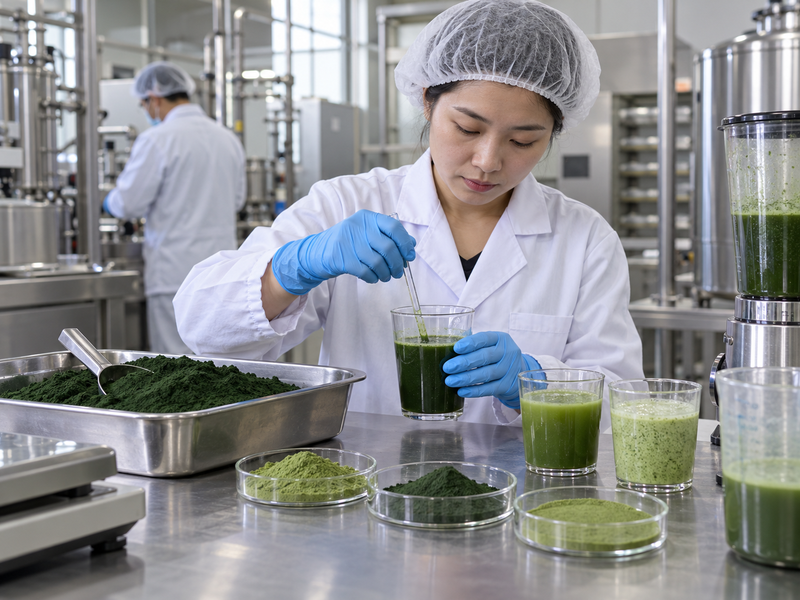
Chlorella powder is dried green microalgal biomass, commonly sold as Chlorella vulgaris or another identified chlorella species. It is different from an extracted blue spirulina colorant and from a sweetened ready-to-drink mix. The product’s species, cell-wall processing, fineness, and drying method can affect its handling and taste. A plain powder typically has an earthy, grassy or marine impression, although intensity differs by lot and grade. Read the ingredients to see whether the package contains chlorella alone or a flavored blend.
Start with identity: a recipe written for one grade cannot guarantee the same hue or mouthfeel from another. For consumer directions, name the form and refer to the pack’s serving rather than an arbitrary spoonful. For procurement, request a specification and a representative sample from the chlorella range before writing recipe copy. Test the actual production powder in the food shown on the label; a styled photograph cannot establish flavor acceptance.
2. How much should go into a recipe?
Let the product label set the serving
Use the specific package’s direction to decide the daily amount, then distribute that amount across a drink or meal if the directions allow. Scoops are convenient but their mass varies with packing, so a gram measurement makes recipe testing more repeatable. A spoonful is especially misleading when one product is pure powder and another includes sweeteners or carriers. For a brand recipe, state both the suggested measure and an approximate gram weight validated with the marketed powder.
Do not use a clinical study’s dose as a kitchen instruction.
Taste before scaling: begin a pilot with a small part of the labeled serving and assess color, aroma, and texture. Complete the use directions according to the pack rather than assuming more powder makes a better result. A smoothie that tastes acceptable at one level may become too grassy at a higher level. Recipe writers should report their tested quantity and yield, such as one cup or one bowl, without implying that the recipe treats a condition.
Keep the serving statement separate from any nutrition claim.
| Recipe decision | What to check | Practical record |
|---|---|---|
| Powder amount | Labeled serving | Grams per recipe |
| Blend status | Pure or mixed | Ingredient list |
| Portion size | One or several servings | Yield |
| Sensory fit | Flavor and texture | Pilot notes |
3. Does chlorella dissolve in water?
Expect a suspension rather than a clear solution
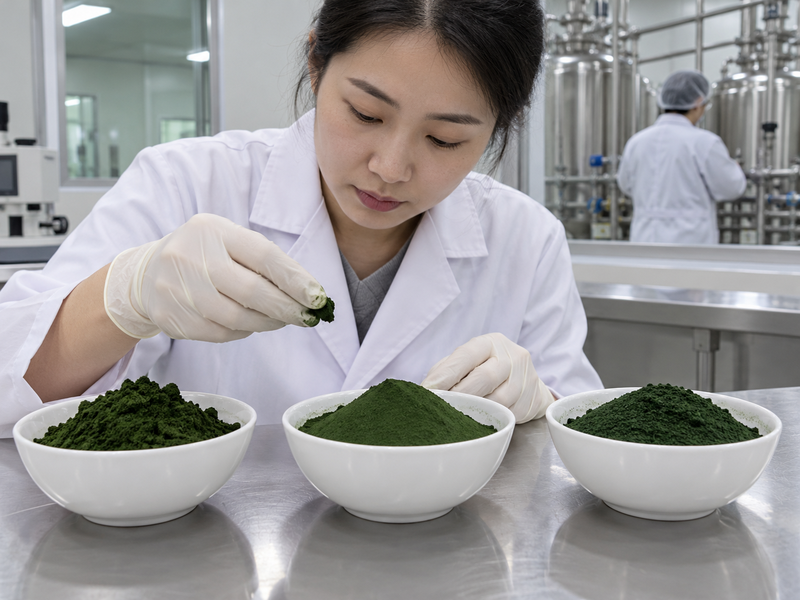
Whole chlorella powder consists of particles. Stirring disperses them, but it generally does not produce the clear solution expected from sugar or a soluble color extract. Fine powder may remain suspended longer than coarse material, while some settling is normal. A shaker or small blender can break up dry clumps. Mixing a little liquid into a paste before adding the rest also helps. The result still depends on particle size, beverage viscosity, and how long it stands before drinking.
Make the expectation visible: product instructions can say “stir or shake again before drinking” instead of promising complete solubility. For a bottled beverage project, bench mixing is only the opening step. Run sediment, appearance, microbiological, and shelf-life trials in the final packaging. A home recipe can be consumed soon after mixing and need not meet the same stability target. In both settings, describing a naturally dispersed powder accurately prevents disappointment when a green layer settles at the bottom.
4. Which cold drinks work best?
Choose a base with enough flavor and body
Cold water is the simplest test because it reveals the powder’s unmasked taste and sediment. If that profile is too strong, try a more flavorful base such as a fruit beverage, oat drink, or lightly acidic juice, provided the product directions allow it. Fruit acidity, sweetness, and aroma may change the perception of chlorella’s green notes, but there is no universal masking formula. A short shake followed by immediate drinking often works better than leaving a glass on the counter.
Use a side-by-side trial: prepare equal servings in two bases, keep the powder amount constant, and compare flavor after mixing and after a few minutes. This gives a brand useful evidence for package suggestions. Avoid claiming that a particular mixer increases absorption unless evidence covers that exact product and recipe. For retail instructions, simple wording such as “mix into a cold beverage and stir again if settling occurs” is more dependable than an elaborate ritual. Temperature and product handling should still follow the package instructions.
| Drink base | Likely benefit | Check before recommending |
|---|---|---|
| Water | Shows true powder character | Strong green taste |
| Fruit beverage | More flavor coverage | Acidity and color change |
| Oat drink | Fuller mouthfeel | Sediment and sweetness |
| Blended smoothie | Particle dispersion | Portion size |
5. How can smoothies handle its taste?
Balance, then measure the finished serving
A smoothie gives chlorella a thicker matrix and more competing flavors. Banana, berries, mango, cocoa, or nut butter may soften grassy notes, but each changes color and nutrition. Pick ingredients for the intended audience rather than automatically adding sugar. Blend the base first, then add the labeled chlorella portion and blend briefly. Taste the finished serving rather than judging the powder dry. If a recipe yields two glasses, divide the chlorella amount accordingly when describing intake per glass.
For product teams: test a few realistic matrices at the same chlorella inclusion and record color, aroma, mouthfeel, and sediment over the actual drinking period. A pleasant single sip does not prove the final mouthful will match. A commercial smoothie also requires appropriate process and shelf-life work. Avoid “detox smoothie” framing; it suggests a health outcome the recipe has not established. Describe the recipe’s green flavor and preparation honestly, then let customers decide whether it fits their routine.
6. Can chlorella be mixed into yogurt?
Use a small smooth base before folding in
Yogurt, plant yogurt, and similar thick foods can hold chlorella particles better than water. Blend powder with a spoonful of yogurt until the dry pockets disappear, then fold that mixture into the full bowl. The powder’s hue can turn a pale base a strong green, while fruit or cocoa may create a less vivid color. Taste varies with tartness and sweetness. If the base is already fortified or flavored, check the complete label before making nutrition statements about the finished bowl.
Keep portions clear: a recipe can show one labeled chlorella serving mixed into one bowl, or a larger batch divided into several portions. If a brand publishes a recipe, calculate chlorella grams per served portion and avoid implying the whole batch equals one daily serving. Cold mixing also avoids promising what heat will do to color or nutrient levels. Yogurt is a food suggestion, not a delivery system proven to change the ingredient’s clinical effect.
| Yogurt format | Mixing tip | Label issue |
|---|---|---|
| Plain dairy | Pre-mix into a spoonful | Allergens from base |
| Plant yogurt | Check thickness | Added ingredients |
| Fruit yogurt | Taste after mixing | Sugar and nutrient claims |
| Shared bowl | Divide evenly | Amount per portion |
7. What about dressings and savory foods?
Pair green notes with deliberate flavors
Chlorella’s savory edge may fit a lemon-herb dressing, hummus, pesto-style sauce, or a chilled dip. Whisk powder into a small amount of liquid or oil-containing base before adding it to the full recipe. Acid, garlic, herbs, and salt can change flavor perception, but no combination suits every powder. Darker sauces may hide the green color if visual appearance matters less than ingredient inclusion. Avoid a large, untested addition to a finished batch; reducing an overly strong algae note can be difficult.
A useful bench method: make control and chlorella versions at the same yield, then compare appearance and flavor immediately and after refrigerated holding appropriate for the recipe. Write down the powder’s actual grams per portion. For retail use, instruct customers to handle prepared food safely and observe the FDA’s clean, separate, cook, and chill guidance. A supplier’s clean ingredient profile does not make a homemade dressing shelf stable.
The recipe should remain practical even if the user has only a spoon and a small mixing bowl.
8. Should chlorella be heated?
Separate convenience from untested retention claims
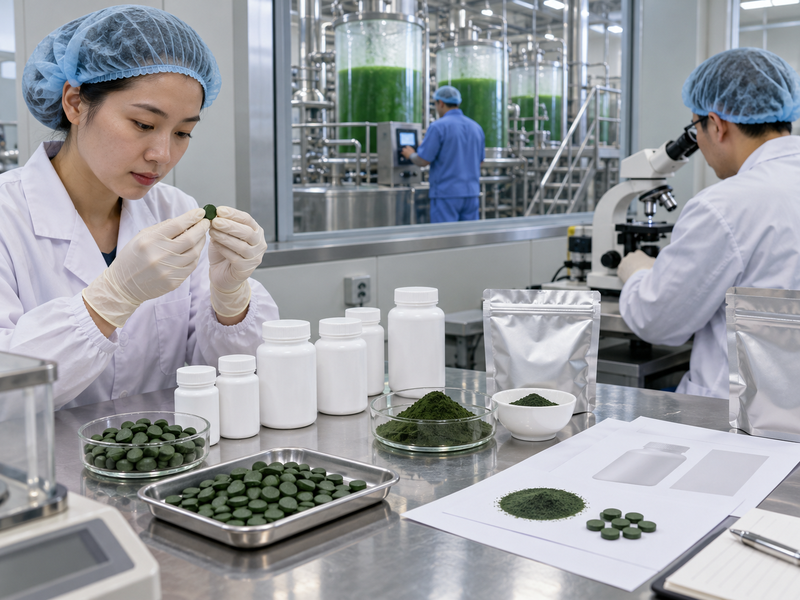
Powder can be stirred into some warm foods, but color, aroma, and texture may shift with heat. A customer adding chlorella after cooking can see the finished appearance and adjust the mixing method; that does not prove superior nutrient retention. A brand planning a baked or pasteurized product should test the actual formula and process rather than applying a universal “heat destroys everything” or “heat changes nothing” rule. Moisture, pH, hold time, and the food matrix all matter.
For a home recipe: add powder to a small portion of cooked food, stir, and judge the flavor before treating an entire pot. For a commercial formula, measure the claimed nutrient or color after processing and during shelf life. If the label promises a nutrient amount, support it in the finished product, not just the raw ingredient. Heating a supplement powder in a meal also does not transform it into a treatment.
Keep use directions grounded in tested kitchen handling and the package’s own storage instructions.
| Preparation | What may change | Suitable check |
|---|---|---|
| Cold mixing | Sediment, flavor | Immediate taste |
| Warm food | Aroma, color | Small serving trial |
| Baking | Browning, texture | Finished batch |
| Commercial heat process | Stability and claims | Finished-product assay |
9. What directions should brands print?
Write instructions that survive ordinary use
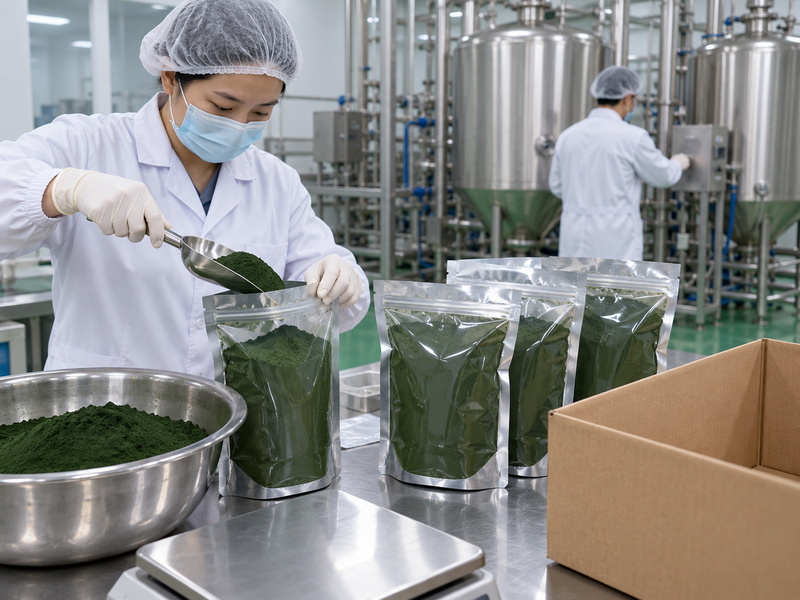
The label should state serving quantity clearly, identify whether the measure means powder or a blend, and offer a simple preparation method tested with the sold grade. “Mix with cold liquid and shake again if settling occurs” is more useful than a promise of instant dissolution. Include storage and safety language required for the product and market. Keep recipes consistent with the daily directions. If an image shows a heaped spoon, avoid letting that visual contradict a level-scoop or gram instruction.
Review the whole customer journey: website recipe, package, retailer listing, and customer support reply should agree about serving size. Verify a factory specification and the actual production lot before describing color or fineness as guaranteed. Let sensory testing shape the food examples. A batch’s contaminant and microbiological records belong in the quality file, while public directions should remain readable. Do not suggest that increasing the powder amount will resolve discomfort or deliver a medical benefit.

10. What is the easiest repeatable routine?
Pick one food and a measurable serving
Choose a food already used regularly, read the chlorella package, and measure its labeled amount. Mix a little powder into a small portion first, then add the remainder. Drink a suspended beverage promptly or stir again if particles settle. For a spoonable food, fold until the color is reasonably even. Keep the remaining powder sealed according to its package directions. A repeatable routine is more useful than chasing a complicated recipe that nobody wants to make twice.
The business lesson: simple instructions reduce support questions and make sensory complaints easier to interpret. If customers report clumping, check whether the directions explain paste mixing or shaking. If they report a harsh taste, test the recommended base with the actual lot. Continue to distinguish food enjoyment from health outcomes. Someone who is pregnant, takes medication, or has a medical condition should discuss supplement use with a clinician rather than using recipe choices as a substitute for advice.
| Goal | Simple route | Evidence to keep |
|---|---|---|
| Fast drink | Shake in cold flavored base | Tested gram amount |
| Spoonable meal | Pre-mix into yogurt | Portion yield |
| Savory use | Stir into dressing or dip | Sensory notes |
| Brand instructions | Match pack and website | Approved label proof |
FAQ
Q1: Can I put chlorella powder in plain water? Yes, if the product directions allow it. Expect a suspension and stir again if particles settle.
Q2: Does chlorella powder dissolve completely? Whole biomass usually disperses rather than forming a clear solution.
Q3: Can I add it to a smoothie? Yes. Use the labeled serving and test flavor in the finished recipe.
Q4: Is a heaped spoon a reliable serving? No. A gram weight or validated level scoop is clearer.
Q5: Should I add it before or after cooking? Either may be workable, but test the finished food and avoid unsupported retention claims.
Closing decision
Taking chlorella powder can be as simple as a measured serving in a drink, yogurt, or savory sauce. Choose a preparation you actually enjoy, expect some particle behavior, and follow the product label. Brands can support that routine with tested recipes and clear grams per portion rather than inflated promises.